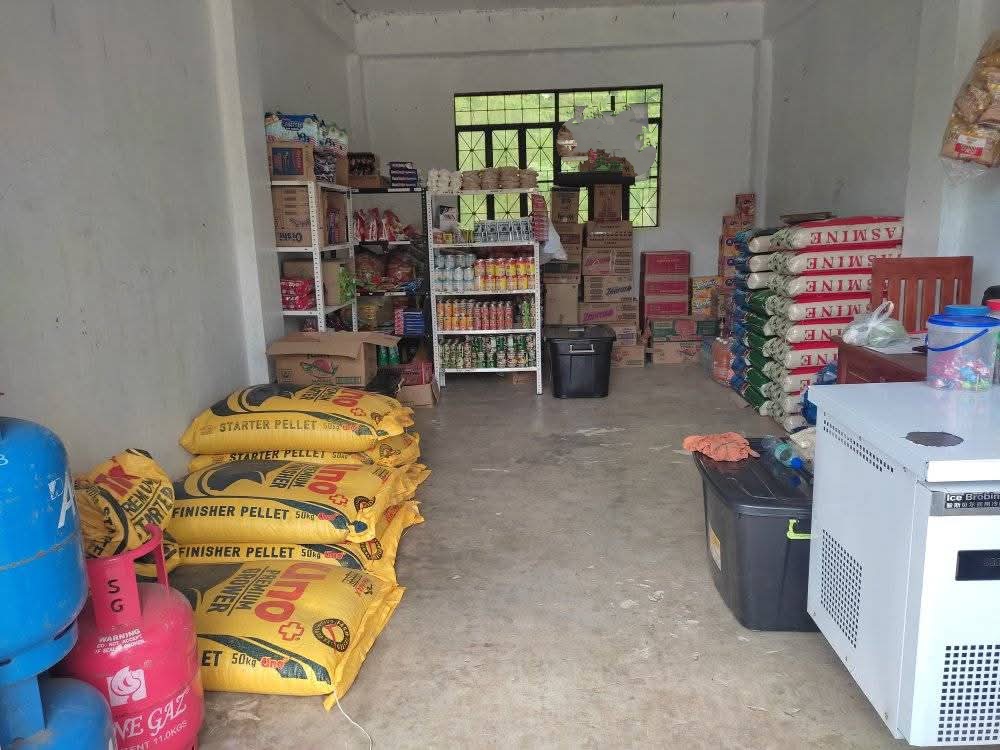
The cost of living in the Philippines varies greatly depending on where you live, what resources are available, and the kind of lifestyle you maintain.
Many people assume that living in the province is automatically cheaper than living in a city. In many cases, that can be true. Housing may cost less, fresh produce may be more accessible, and some families have access to land, water, and other resources that reduce their daily expenses.
However, after growing up in the province, studying away from home, working in different municipalities and cities, and eventually returning to provincial life, I learned that the answer is not as simple as most people think.
As the youngest daughter of farming parents, I grew up in a household where much of what we consumed came from our own land. Rice was our main crop, and seasonal vegetables often became our daily viand. Eggs came from native chickens, and livestock sometimes provided additional income when sold. My father worked as a carpenter while helping on the farm, and most of the cash our family earned went to our education.
Looking back, our monthly cash expenses were surprisingly low. We did not pay rent, water was freely available, and we cooked using firewood. Yet I would not say that we lived on very little. We had access to resources that many households today have to buy using cash.
When I left for college, I suddenly had to pay for things that had always been available at home. Rent, food, transportation, and daily necessities became part of my monthly budget. Later, when I started working and living independently, my expenses increased further even though I was still living relatively simply. I eventually realized that the cost of living depends not only on prices but also on lifestyle, location, access to resources, and personal habits.
That is why I believe there is no single answer to the question, “Is it cheaper to live in the province?”
For some families, provincial living can significantly reduce expenses because they own their homes, grow some of their food, and have access to local resources. For others, transportation costs, limited services, expensive imported goods, and changing lifestyles can make provincial living more costly than expected.
In this article, I share my observations from growing up in the province and my experiences living in and visiting different communities to explore what the cost of living in the Philippine provinces really looks like.
Is It Cheaper to Live in the Province in the Philippines?
In many cases, living in the province can be cheaper, but I do not think location alone determines how much a person needs to live comfortably.
Two families living in the same community can have very different monthly expenses. One family may own its house, grow rice and vegetables, raise chickens or pigs, and have access to a local water source. Another family may rent a house, buy all of its food, pay for water, travel regularly to work, and depend on stores for most household needs.
The first family may need much less cash each month, even though both families live in exactly the same place.
This is something I understood better as I grew older. When I was young, my family did not need to buy everything we consumed. Much of our food came from the farm, we did not pay rent, and some of the resources we used were available around us. When I left home for college and later started working, many of those things became expenses because I had to pay for housing, food, utilities, transportation, and other daily needs myself.
Lifestyle also makes a difference. Someone who is accustomed to cooking at home, walking when possible, buying locally produced food, and keeping expenses simple may find provincial living relatively affordable. But someone who frequently eats out, orders products online, travels often, or prefers goods that are not locally available may spend considerably more, even while living in the same province.
So, is province life cheaper? It certainly can be. But the real cost depends on what you already have, what your community can provide, what you still need to buy, and how you choose to live.
Housing and the Cost of Living in the Philippines
Housing is one area where living in the province can reduce monthly expenses, but this does not always mean that rental prices themselves are extremely low.
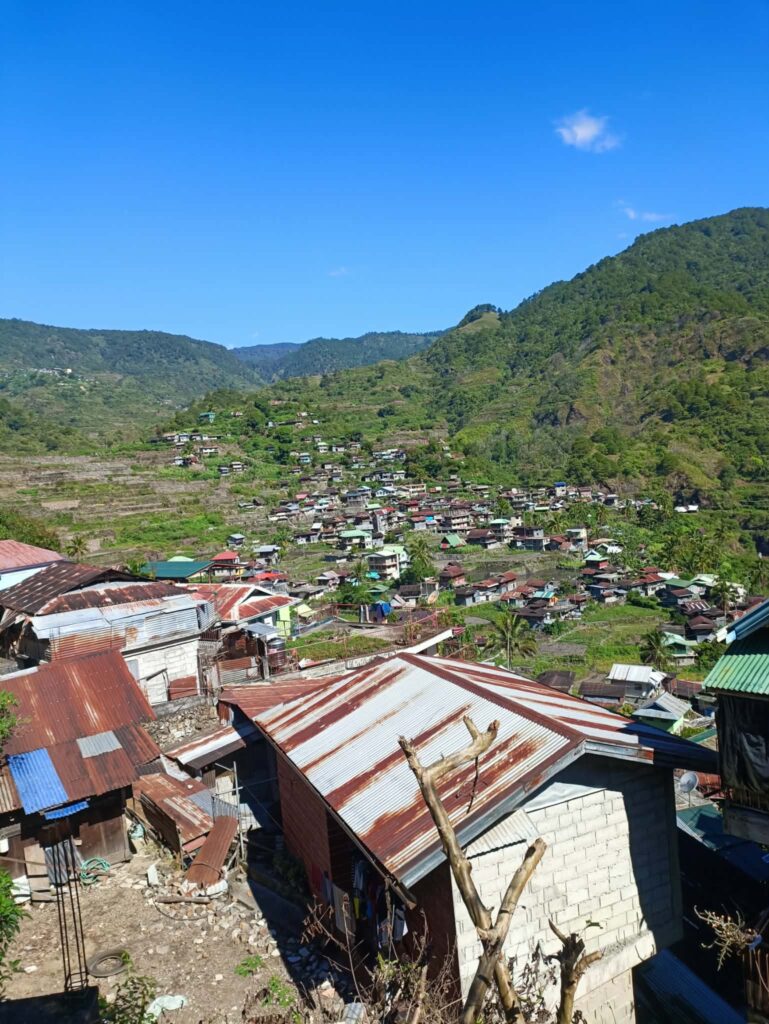
In many of the provincial communities I have lived in or visited, families live in homes they own. Some houses were inherited from parents or relatives, while others were built or purchased by the families themselves. The houses may be simple and not always modern, but not having to pay monthly rent can make a significant difference in household expenses.
This was also true for my family. Growing up, we did not have rent to worry about because we lived in our own home. Looking back, I realize how much this contributed to our ability to live with very little monthly cash expenditure.
Family arrangements can also help reduce housing costs. I have seen newly married couples stay in vacant houses owned by relatives. Sometimes they are allowed to stay for free, while in other cases they pay only a small amount. This can give a young family time to save before building or finding a home of their own.
Rentals are still common, particularly around the poblacion, schools, government offices, tourist areas, and other places where people need temporary or convenient accommodation. Boarding houses and rooms are especially useful for students and workers who come from communities farther away.
I have experienced this myself. When I left home to study and later to work, housing became part of my regular expenses because I could no longer rely on our family home. The difference taught me that cheaper housing in the province is sometimes less about low rental prices and more about whether a person already has access to a house, land, or family property.
So when comparing housing costs between the province and the city, it is important to ask not only “How much is the rent?” but also “Does the household need to rent at all?”
Food and Grocery Costs in the Province
Growing up in an agricultural community, food was one of the areas where our family was able to keep cash expenses low. Rice was our main crop, and much of what we harvested was for our own consumption. We also grew seasonal vegetables, kept native chickens for eggs, and sometimes raised pigs that could be sold for additional income.
Because of this, buying food did not always mean going to the market or grocery store. What was available from the farm often determined what we ate. At the time, I simply considered this normal family life. It was only when I started living away from home that I realized how much access to homegrown food had reduced our household’s need for cash.
Local Food Can Be Cheaper
In the agricultural areas I know, locally produced vegetables can be relatively inexpensive, particularly when bought directly from farmers. Freshly harvested vegetables may cost less at the farm than after they have been transported, handled, and displayed at a market or store.
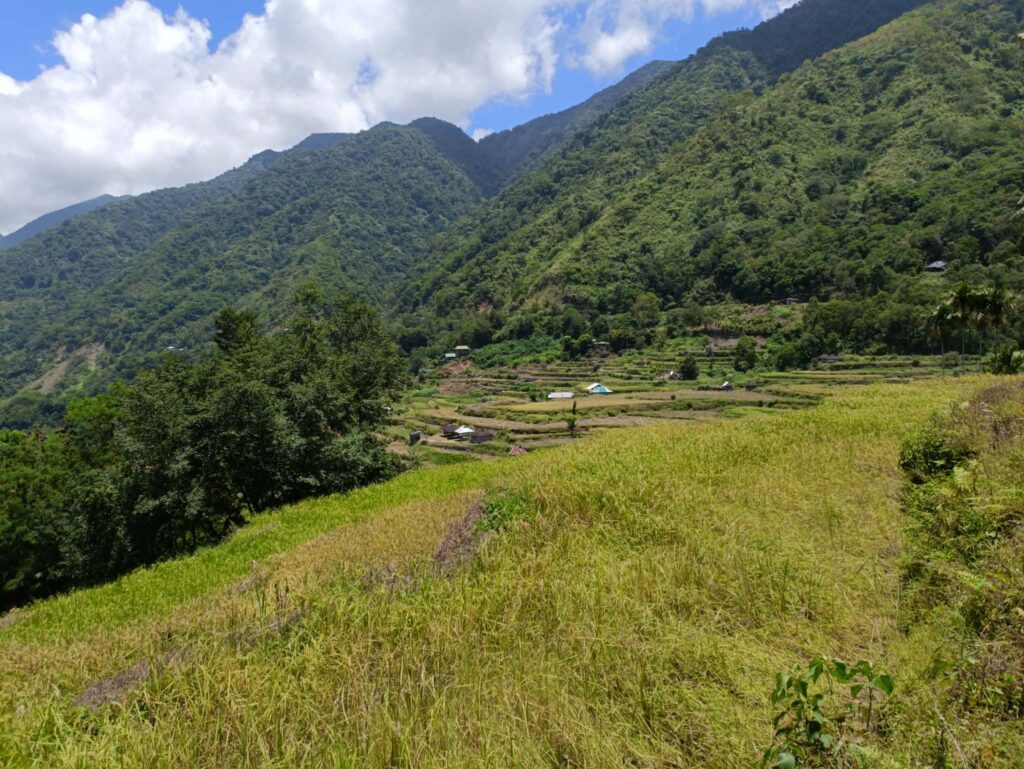
The same principle does not apply to every type of food. In my area, for example, vegetables and locally available meat can be affordable, while seafood tends to be more expensive. A coastal community may have a completely different experience.
This is why I think it is difficult to say that food in the province is simply cheaper. What a community produces locally can make a big difference.
Groceries Brought from Outside Can Cost More
The situation can change when it comes to cooking oil, packaged food, and other basic grocery items that are not produced locally. These goods have to be transported before reaching stores in smaller communities, and transportation and distribution costs can affect their final price.
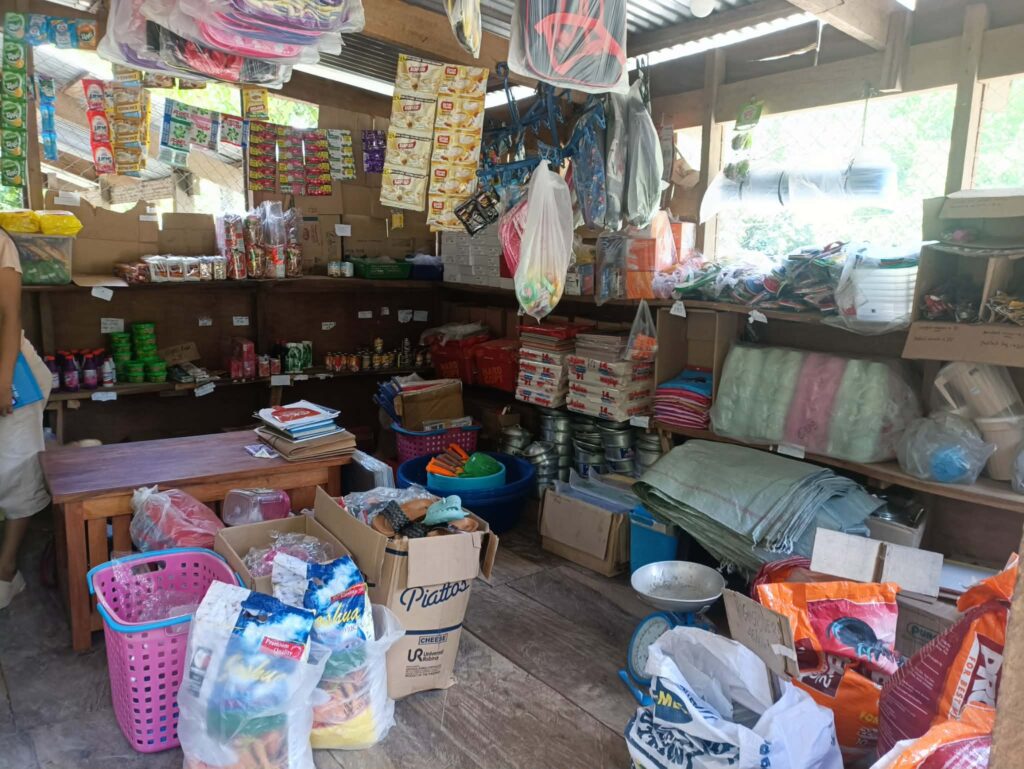
I noticed this difference even more when I left home. During college, I had to buy almost everything I needed. The municipality where I stayed depended on supplies coming from outside the area, including some vegetables, so living simply did not automatically mean that food was inexpensive.
Today, I still see the same contrast in different provincial communities. A household may have inexpensive vegetables available nearby while paying more for products that have traveled a long way to reach the local store.
For me, this is one of the simplest ways to understand food expenses in the province: what grows nearby may be affordable, but what has to travel to reach you may not be.
Transportation Costs and Getting Around
Transportation expenses in the province depend greatly on where a person lives. Being in a provincial municipality does not necessarily mean that public transportation is available within every community.
In some municipalities I have visited, tricycle operators and drivers’ associations, commonly known as TODAs, provide transportation within the municipality. In other places, regular tricycle routes are more focused on travel between population centers or neighboring municipalities. People living farther from these routes may need another way to reach them.
Tricycles, Motorcycles and the Ongbak
In many of the areas I am familiar with, tricycles and motorcycles are among the most practical ways to get around. In some communities, I have also encountered what we locally call an ongbak, a type of tricycle fitted with a stronger motorcycle that can travel through steep and rugged roads.
Motorcycles have also become a common means of transportation for households. They can be especially useful in communities where public transportation is limited or where homes are far from the main road.
For people without their own vehicle, hiring a motorcycle or tricycle is another option. The cost can be different from taking a regular passenger trip because the vehicle is being hired specifically for the passenger or destination.
Sometimes Walking Is Still Part of the Journey
Walking remains part of everyday transportation in some rural communities. This is particularly true in places where roads do not reach every sitio or where public transportation is unavailable.
Growing up in the province also made walking normal for me. Even when I later lived in Baguio City, finding accommodation within walking distance of the market and my workplace helped me avoid regular transportation expenses. What began as an ordinary habit from provincial life eventually became one way of keeping my expenses lower while living in a city.
This is why transportation costs in the province cannot be measured by fare alone. Distance, road access, availability of public transportation, and whether a household owns a motorcycle or other vehicle can all affect how much it actually costs to get around.
Utilities in the Province: Water, Electricity and Internet
Utility expenses can vary widely between provincial communities. In some places, households pay regular bills for water, electricity and internet just as they would in a city. In other communities, people may have access to water sources or alternative systems that reduce some of these expenses.
Water Can Be Free, Cheap or a Regular Expense
Water is one expense that can be very different depending on the location.
In some of the mountainous communities I have visited, households have access to springs, wells, brooks and other local water sources. Some communities have systems that bring water directly to household faucets. When water is naturally abundant and the community has access to it, households may spend very little or nothing for the water itself.
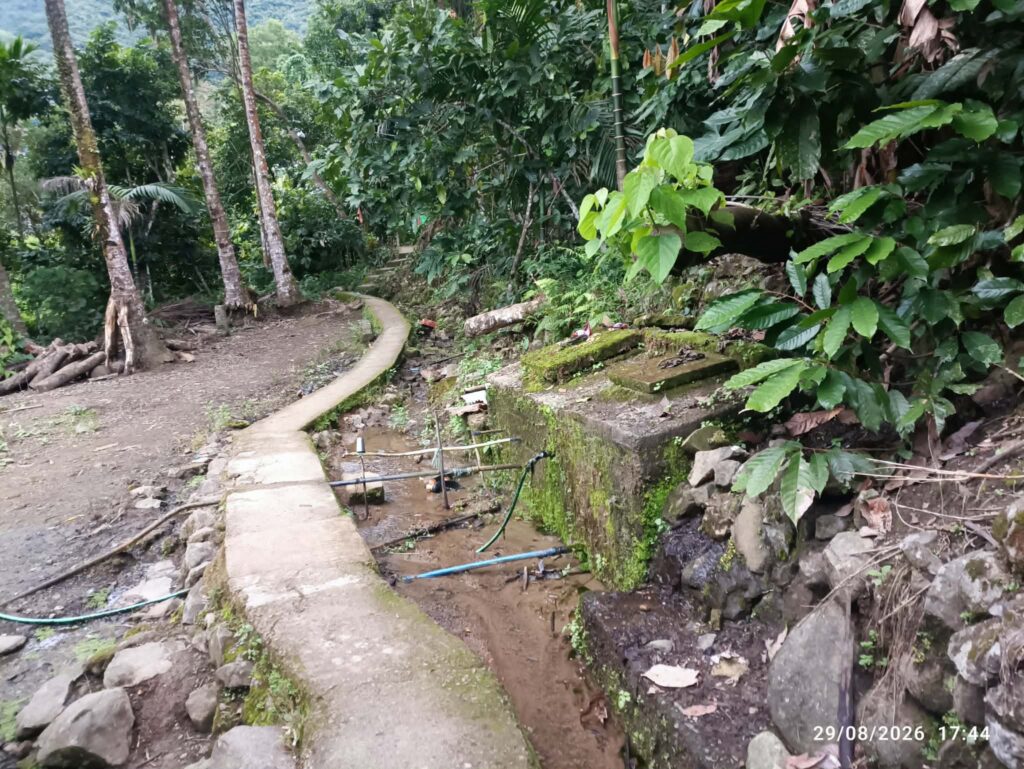
However, this is not the experience everywhere. Some municipalities and communities rely on water stations, communal systems, pump wells or water delivery services. In places where water is less accessible, households may have to include it as a regular expense.
Growing up, water was not something my family had to budget for every month. This was one of the reasons our household could operate with relatively little cash, although I did not think much about its financial value at the time.
Electricity Costs and Brownouts
Electricity is different. Even within provincial areas, the amount households pay and the reliability of the service can vary.
From my experience, I have lived in places where brownouts were relatively uncommon and others where power interruptions happened frequently, sometimes even during bad weather. Because of this, some households have started using small solar panels, particularly in places that are difficult to reach with regular electricity service. I have also seen households with an existing electricity connection install solar systems as an alternative or backup during power interruptions.
When I was growing up, our electricity use was also much simpler. We still used firewood for cooking, so electricity was not needed for many of the things we now commonly use at home. Today, appliances, internet equipment and other devices have made electricity a much more noticeable part of household expenses.
Internet and Mobile Data
Internet access has also changed the cost of provincial living.
In communities with reliable cellular signals, households may rely on mobile data or subscribe to a home internet connection. In more remote areas where cellular signals are weak or unavailable, internet access can work differently. Some communities have free Wi-Fi available at barangay halls, while satellite internet services such as Starlink can provide another option in places where conventional cellular coverage is limited.
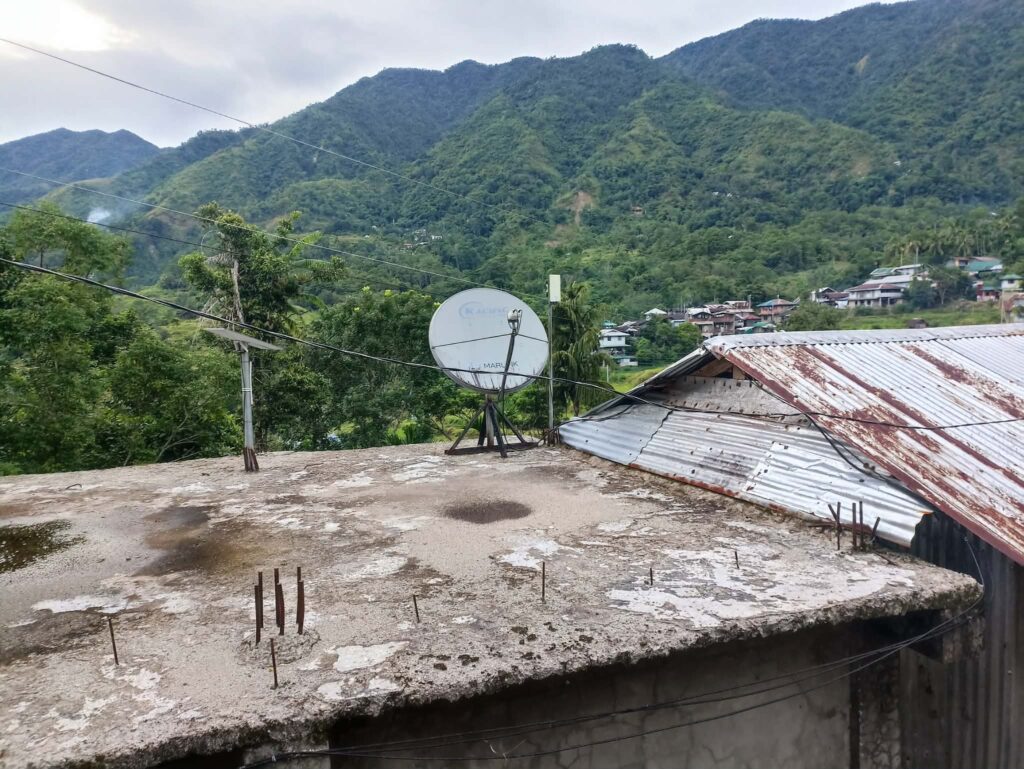
I have also seen Piso WiFi used in some communities, allowing residents to connect by paying small amounts for internet access. The options available depend greatly on the location and the type of internet infrastructure that reaches the community.
This is very different from the province life I remember growing up. Internet was not part of our household budget then. Today, it can be a regular expense. When I later returned home after working elsewhere, for example, our household expenses already included an internet subscription.
For me, this shows why comparing today’s cost of living with the province life of the past can be misleading. Some traditional expenses may still be low, but modern necessities have created household expenses that previous generations did not have.
Healthcare Access and Its Hidden Costs
Healthcare is another expense that can be difficult to understand by looking only at the price of a consultation or medicine. In provincial communities, distance and access to medical services can also affect how much healthcare eventually costs a household.
In all the barangays I have visited through my work, I have seen barangay health facilities where residents can seek basic health services. Barangay Health Workers also serve communities, including sitios located farther from the barangay center.
However, having a health facility in the barangay does not necessarily mean that it is the nearest or most accessible option for every household. Some sitios are located far from their own barangay center, and in certain areas, residents may need to pass through another barangay or even another municipality to reach it. In practice, a health facility in a neighboring barangay may sometimes be closer and more accessible, particularly when immediate care is needed.
When Patients Need to Travel for Medical Care
Municipalities may also have Rural Health Units and other local health facilities, but the availability of doctors and medical services is not the same everywhere.
From what I have observed, smaller local health facilities can handle many common health concerns, but patients who require specialized treatment or services may need to travel to a larger hospital. Treatments such as dialysis, chemotherapy, and other specialized medical care may not be available within a small rural municipality.
This creates a cost that is easy to overlook when discussing whether provincial living is cheaper. A household may spend little on rent or food, but when someone needs specialized healthcare, the family may have to consider transportation, meals while traveling, accommodation in some cases, and other expenses associated with seeking treatment outside the community.
For families living far from larger medical facilities, access itself can become part of the cost of healthcare.
Income and Livelihood in Provincial Communities
A lower cost of living does not necessarily mean that living in the province is financially easier. Another side of the equation is income. Even when housing, food, or other everyday needs cost less, employment opportunities and earnings can also be different from those available in larger cities.
In the provincial communities I have lived in and visited, livelihoods vary depending on the resources, location, and economic activity of the area. Agriculture remains important in many rural communities, but not every farmer produces crops commercially. Some small farming households primarily grow food for their own consumption and sell only what is left after meeting the family’s needs.
This was similar to how I grew up. Our farm provided much of the food we consumed, while my father’s work as a carpenter provided an important source of cash for expenses that farming could not cover, particularly our education.
More Than Farming
Provincial livelihoods are not limited to agriculture. Depending on the community, I have seen people earn from small stores, market stalls, construction work, transportation services, food businesses, livestock raising, fisheries, tourism-related activities, furniture and handicraft making, and other small enterprises.
Some households combine several sources of livelihood rather than depending on only one. A family may farm while raising chickens or pigs, operate a small store, take occasional construction work, or have a family member working elsewhere or overseas.
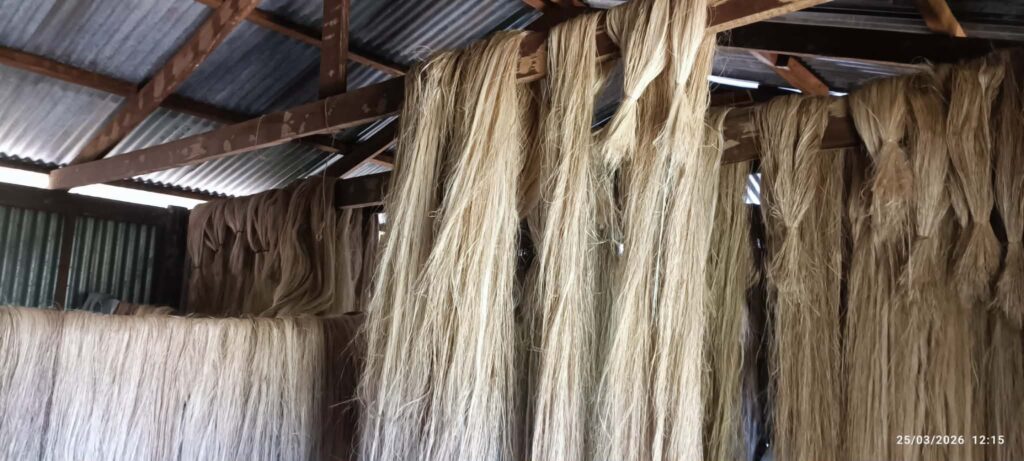
The resources available in an area can also create particular livelihoods. In some communities, people make products from locally available materials. Abaca, for example, can provide a source of livelihood in areas where it is grown and processed. People may also gather permitted natural resources for sale. Quarrying and related work can provide income in some areas, although these activities are subject to environmental laws, permits, and local regulations.
Cost of Living Has to Be Compared With Income
This is why I think affordability should not be judged by prices alone. A ₱100 expense has a different impact on someone with a stable monthly salary than on someone whose income depends on seasonal farming, occasional construction work, or irregular sales from a small business.
Living simply can help reduce expenses, and access to land, food, housing, or family resources can make provincial living more affordable. But households still need cash for electricity, education, healthcare, transportation, groceries, communication, and many other needs that cannot always be produced at home.
For me, the more useful question is not simply “Is the province cheap?” It is also “Can the income and resources available to a household support the way that household needs or wants to live?”
How Lifestyle Changes the Cost of Provincial Living
Living in an affordable place does not automatically mean that a person will have low monthly expenses. From my own experience, lifestyle and spending habits can make just as much difference as location.
When I was growing up, simple living was not something we deliberately practiced or called a lifestyle. It was simply how we lived. We ate mostly what was available from the farm, bought only a few basic groceries, used firewood for cooking, and did not have many of the household expenses that are common today.
My perspective changed after I left home for college and eventually started working. I became accustomed to buying my own food, living in boarding houses, eating outside, using more services, and having access to products that were not commonly available in my hometown.
When I later returned to the province for a while after leaving a job, I realized that I could no longer compare my expenses with what my family used to spend when I was young. I sometimes craved foods I had become accustomed to elsewhere. I bought products that were more expensive locally and ordered things online when they were not available nearby. Internet service and LPG for cooking had also become part of our household expenses.
The place was familiar, but the way I lived had changed.
Simple Living Can Make a Difference
This experience made me realize that living simply can reduce expenses almost anywhere, not only in the province.
Someone who cooks at home, buys locally available food, walks when practical, limits unnecessary purchases, and makes use of resources already available to the household may spend considerably less than someone living in the same community with different habits.
At the same time, I do not think simple living means avoiding everything that makes life more comfortable. Internet access, appliances, transportation, better food, and occasional purchases can improve everyday life. The important point is that these choices become part of our personal cost of living.
This is why my answer to whether province life is cheaper has changed over time. The province can give you opportunities to live for less, but how much you actually spend still depends greatly on how you live.
What Actually Makes Province Living Cheaper?
From my experience, the biggest savings in provincial living often come not from lower prices alone, but from having access to resources that reduce the need to spend cash.
Province living may be more affordable when:
- You own your home or have access to family housing.
- Some of your food is grown or produced locally.
- You can buy directly from farmers or local producers.
- Water or other resources are available at little or no cost.
- Your home is close enough to work, school, markets, or services to reduce transportation expenses.
- You are comfortable cooking at home and living simply.
- Your income is enough to support the expenses that still require cash.
On the other hand, living in the province may not feel particularly cheap when you have to rent, buy all your food, travel long distances regularly, seek services outside the municipality, or frequently purchase products that have to be transported from elsewhere.
And even two people living in the same provincial town can have completely different expenses because their housing, income, family resources, needs, and lifestyles are different.
So, Is Province Life Really Cheaper?
Based on my experience, the cost of living in the province cannot be explained simply by saying that prices are lower.
Growing up, my family was able to live on very little cash because we had our own home, grew much of our food, had access to free water, and lived a simple lifestyle. When I left home to study and later started working, I had to pay for things that were once simply available to me. Rent, food, transportation, utilities, and eventually internet became regular expenses.
Over the years, I also learned that earning more does not necessarily mean spending less just because you live in the province. As my income and lifestyle changed, so did the things I considered necessary or worth paying for.
For me, this is what makes the cost of living in the province difficult to reduce to a single monthly figure. One household may live comfortably with relatively little cash because it owns a home and produces some of its food, while another household in the same community may need considerably more.
So, is province life cheaper?
It can be. But perhaps the bigger advantage of provincial life is that, in the right circumstances, it gives you more opportunities to live with less.
That is something I did not fully understand when I was growing up. Back then, it was simply normal life.