Introduction
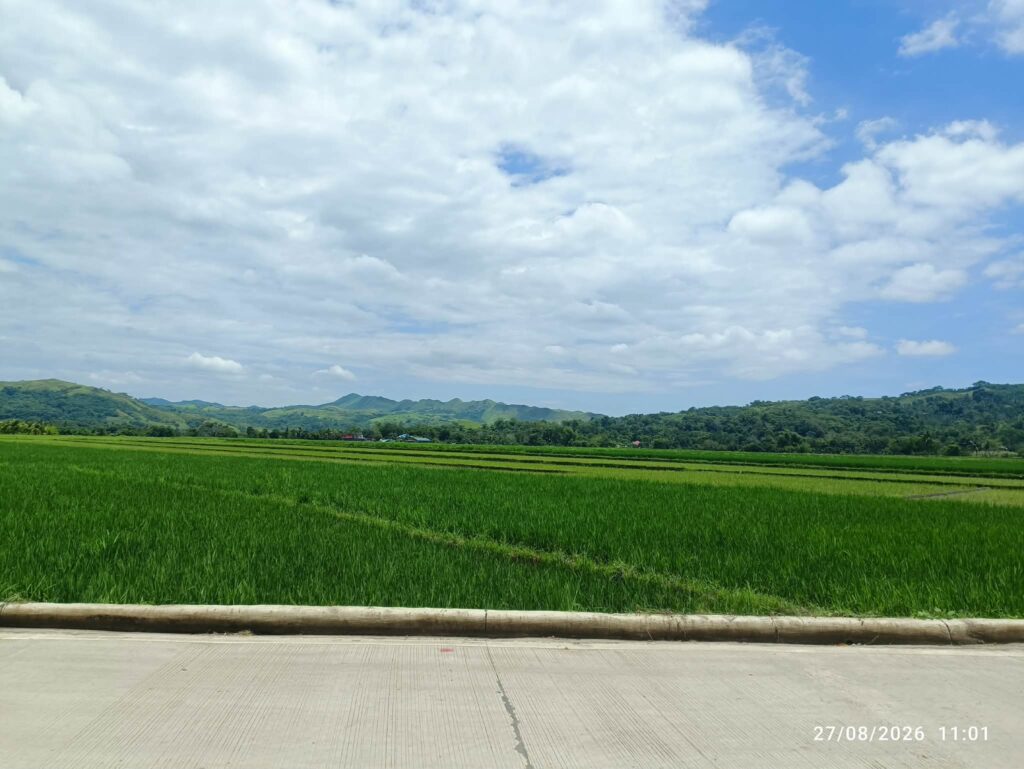
When people think about rural areas in the Philippines, they often picture green mountains, rice fields, coconut trees, small houses, and peaceful surroundings. Those scenes are real, but they are only one part of rural life.
Life in rural communities can look very different depending on where you are. Some communities are only a short ride from the town center, while others require long walks, motorcycle rides, or hours of travel. Some have reliable internet and relatively easy access to shops and services, while others still deal with weak mobile signals, difficult roads, and limited transportation.
I have lived in the province since childhood, but my understanding of rural life has changed over the years. Through visiting and spending time in different communities, I have seen that there is no single experience that represents rural life in the Philippines.
Some places are peaceful. Others are surprisingly busy and noisy. Some offer conveniences that are not very different from those found in town centers, while in more remote communities, even an ordinary trip to buy supplies or access a service may require careful planning.
So what is life really like in rural areas of the Philippines?
The answer is more varied, and perhaps more interesting, than the picture-perfect version we often see online.
What Are Rural Areas in the Philippines?
The word rural can mean different things in everyday conversation, but in the Philippines, there is also an official statistical classification.
According to the Philippine Statistics Authority (PSA), barangays are classified as either urban or rural. Under the criteria used for the 2020 Census of Population and Housing, a barangay is considered urban if it meets certain conditions related to population, establishments, and available facilities and services. Barangays that do not meet those criteria are classified as rural.
For example, a barangay with a population of 5,000 or more is classified as urban. A barangay may also qualify as urban based on the presence and size of establishments or a combination of establishments and facilities within a specified distance from the barangay hall.
These facilities can include schools, health facilities, markets, water systems, cellular phone signals, postal services, and other community services.
This official definition is useful because it shows that rural does not simply mean remote, mountainous, agricultural, or far from a city.
A rural community may be relatively close to a poblacion or commercial center, while another may take hours to reach. One may have electricity, internet access, paved roads, and nearby schools, while another may have much more limited access to the same services.
The surroundings can also vary. Rural communities may include farming areas, fishing communities, mountain settlements, and other less urbanized places.
This is why rural areas in the Philippines cannot be represented by a single image. Geography, livelihoods, infrastructure, accessibility, culture, and available services all influence what everyday life looks like.
What Is Rural in Tagalog?
In Tagalog, the word rural is commonly translated as kanayunan, while rural area may be described as lugar sa kanayunan. It generally refers to areas outside urban centers, often associated with smaller communities, farming, and less densely populated surroundings.
In everyday Filipino conversation, people sometimes use probinsya when referring to rural places. However, probinsya means province, while kanayunan refers to rural areas or the countryside.
Although these terms are sometimes used interchangeably, they have different meanings, as explained in the next section.
Is Rural the Same as Province?
Not exactly.
In everyday Filipino conversation, probinsya and rural are sometimes used as if they mean the same thing. But a province is an administrative and political division, while rural describes the classification or characteristics of an area.
This means that living in a province does not automatically mean living in a rural area.
Many provinces contain developed cities and town centers with malls, hospitals, universities, banks, restaurants, offices, subdivisions, public transportation, and reliable internet. Someone can therefore live in a province while having easy access to many conveniences normally associated with urban life.
Travel farther from these centers, however, and conditions may change considerably. Another community within the same province may be surrounded by farms, mountains, forests, rivers, or coastal areas and have fewer commercial establishments or more limited access to transportation and basic services.
A barangay is not automatically rural either. Barangays exist in cities as well as municipalities, and some are classified as urban while others are rural.
So throughout this article, when I talk about rural life, I am not referring to everyone who lives outside Metro Manila or everyone who lives in a province. I am talking about rural communities and the everyday realities I have experienced or observed in them.
What Is Life Like in Rural Areas of the Philippines?
There is no single routine that represents rural life in the Philippines. Daily life depends on the community, the livelihood of the people, the landscape, the weather, and how close the area is to a town center.
In some communities, the day begins very early. Farmers may head to their fields, people prepare for work or school, small stores begin opening, and households start their usual chores. In farming areas, daily routines may also change depending on the season, especially during planting and harvesting periods.
But rural mornings are not necessarily as quiet as they appear in photographs.
Mornings Are Not Always Quiet
One of the common images associated with rural life is waking up to a peaceful and silent morning. Sometimes that is true, but certainly not everywhere.
Depending on the community, mornings can begin with roosters crowing, pigs making noise, dogs barking, motorcycles passing by, and people already going about their daily activities. Birds can also become particularly active in the morning.
During sunny and warmer months, cicadas can become very loud, particularly in the morning and early evening. Their constant sound can sometimes become irritating, especially when several of them seem to be calling at the same time.
The sounds also vary from one place to another. A farming community, a fishing village, a mountain settlement, and a barangay close to a town center can each have a completely different morning atmosphere.
This is something I have come to appreciate from spending time in different communities. Rural life is not necessarily silent. What changes is often the kind of noise you hear.
Instead of traffic jams, horns, and the constant movement associated with busy cities, you may hear animals, insects, motorcycles, farm activities, neighbors talking, or the ordinary sounds of people beginning another day.
Daily Life Often Follows the Community
Daily routines can also be closely connected to the livelihood and environment of a particular area.
In agricultural communities, farming activities naturally influence people’s schedules. In other places, livelihoods may revolve around fishing, small businesses, transportation, construction, government or private employment, or a combination of different sources of income.
Not everyone living in a rural area is a farmer, just as not everyone living in the province follows a slow or traditional lifestyle. People go to work, children go to school, households manage expenses, families use social media, and residents deal with many of the same responsibilities people have elsewhere.
The difference is that the surrounding community can shape how those ordinary activities are carried out.
For example, getting to work or school may involve a short walk in one community and a much longer journey in another. Buying groceries might mean visiting a nearby store, traveling to the poblacion, or planning a trip to another municipality. Accessing the internet could be as simple as using mobile data at home or, in areas with poor cellular signals, finding another way to connect.
That is why everyday rural life is difficult to describe with just one routine.
Afternoons Often Follow the Weather and the Work
Afternoon routines in rural communities can depend heavily on the weather and the kind of work people do.
In hotter areas, I have observed farmers and others who work directly under the sun starting their day early in the morning. Some stop working at around 10 AM, when the heat becomes stronger, and return to their work at around 3 PM when the temperature begins to become more manageable.
The hours in between may be used for lunch, household chores, or a short rest. The siesta is still familiar in many communities, although of course not everyone follows the same routine. For me, these slower hours are also part of what makes a quiet afternoon in the province worth appreciating.
And then there is coffee.
Around 3 PM, having coffee is a familiar habit for many Filipinos, even when the weather is hot. In some places, this might mean a cup of strong local coffee such as barako, perhaps accompanied by a small snack before returning to work. As many coffee-loving Filipinos like to say, “coffee is life.”
Afternoons can also mean waiting for children to come home from school or fetching younger children. In many provincial communities I have visited, school is an important part of the family’s daily schedule, and parents or other family members may arrange their afternoon activities around the children’s dismissal time.
Again, these routines vary. A family living close to a school has a very different experience from one whose children need to walk or travel a considerable distance between home and school.
Evenings Bring Another Round of Chores
For households that raise backyard animals, coming home from work does not necessarily mean the day’s work is finished.
In some communities, particularly those where families raise pigs, the late afternoon or evening may include preparing animal feed. People may gather camote tops or plants such as galyang and prepare or cook them for the pigs.
This is one of those ordinary parts of rural life that rarely appears in picturesque photos of the province. Raising animals can provide an additional source of food or income, but it also means having another set of responsibilities waiting at home.
In some Cordillera communities I have visited, it is also common to see both husband and wife working, whether in the fields or in other jobs. The image of rural life where the husband works while the wife simply stays at home does not necessarily reflect what I have observed. Women can be deeply involved in farming, livelihood activities, paid employment, household work, and caring for animals and children.
The Community Well Can Be a Social Place Too
In communities where households still share a common water source or well, fetching water can become part of both the morning and evening routine.
People may arrive at similar times and wait for their turn to collect water. And when several neighbors are standing around waiting, conversations naturally happen.
Sometimes it becomes an informal neighborhood update or, to put it more playfully, a little gossip time.
It is a simple example of how daily necessities can also create opportunities for social interaction in rural communities. A task as ordinary as fetching water can become one of the times when neighbors talk, exchange news, and find out what is happening around the community.
Getting Around Can Shape the Entire Day
Transportation is one of the things that can strongly influence everyday life in rural areas of the Philippines.
In communities close to a poblacion or along a major road, getting around may be relatively easy. Residents may have access to tricycles, jeepneys, buses, vans, or other forms of public transportation. Families with their own motorcycles or vehicles may also be able to travel whenever they need to.
But the situation can change considerably as you move farther away from town centers and main roads.
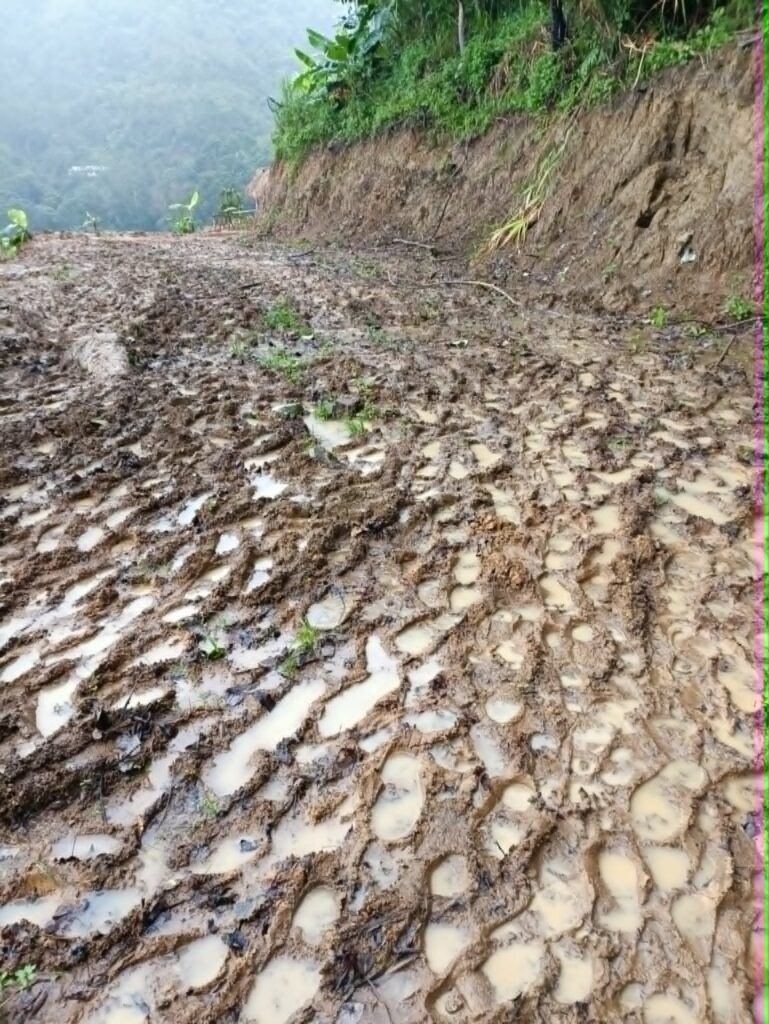
In some communities, transportation is something people have to plan around. A trip to the market, school, workplace, hospital, bank, or government office may not simply mean leaving the house whenever you want. People may need to consider what transportation is available, what time it leaves, how much the trip will cost, the condition of the road, and even the weather.
This can also influence how families buy supplies. Instead of making frequent trips for only a few items, some households may combine several errands into one trip, especially when reaching the town center takes considerable time or money.
Weather can make transportation even more complicated. Heavy rain can affect unpaved roads, trails, river crossings, and other routes. In mountainous areas, steep terrain can add another challenge.
For people who live in communities with very limited transportation, owning a motorcycle can be more than a convenience. It can become an important part of everyday mobility.
However, not every household owns one, and not every community can be reached easily by ordinary vehicles.
I discussed some of the more unusual transportation realities I have encountered, including difficult roads and the different ways people travel, in my article about the advantages and disadvantages of living in the province. What stands out to me here is how transportation affects something much bigger than simply getting from one place to another.
It affects how people plan their day.
A family may organize errands around a trip to town. A parent may arrange work around a child’s school schedule. Someone needing a government service may dedicate a significant part of the day just to traveling. And when transportation is expensive or difficult, even an ordinary purchase can require planning.
At the same time, this is another area where generalizations about rural life can be misleading. Some rural communities have convenient road access and regular transportation, while others are much more isolated.
Sometimes two barangays within the same municipality can have completely different experiences simply because of their location and accessibility.
Food Can Be Closely Connected to the Surroundings
Food is another part of daily life that can feel different in some rural areas of the Philippines.
Many families still buy rice, canned goods, cooking oil, seasonings, toiletries, and other necessities from sari-sari stores, public markets, groceries, or town centers. Rural living does not mean that everything on the table comes directly from a farm or backyard.
However, depending on the community and the resources available, some households have opportunities to supplement what they buy with food grown or gathered closer to home.
Home Gardens Are Part of Some Households
In some communities, families have vacant spaces around their homes where they grow vegetables, herbs, fruit trees, or root crops. Others may not own much land themselves but are sometimes able to use land belonging to relatives for planting.
A garden does not necessarily have to be large. A few vegetables growing beside the house can already contribute something to everyday meals.
From what I have observed through spending time in different communities, access to land and locally available food can be particularly valuable for households with limited income. This does not mean that poverty or food insecurity disappears simply because someone lives in a rural area. Land ownership, access to resources, time, health, weather, and the ability to maintain a garden all matter.
But for households that do have the opportunity, planting food can help reduce some daily expenses and provide fresh ingredients close to home.
Food May Also Come From the Local Environment
Depending on the location, food may come from more than a backyard garden.
Some communities have access to rivers, forests, farms, or coastal resources. Fishing, gathering edible plants, harvesting fruit, or receiving produce from relatives and neighbors can sometimes become part of how food reaches the household.
What is available naturally differs from place to place. A coastal community will not have the same resources as a mountain village, and a farming community will have a different food environment from either of them.
This is one reason I hesitate when rural life is described simply as “cheap.”
Some food can indeed be easier to access locally, but other necessities may cost more because they have to be transported from town. In remote communities, hauling and transportation costs can eventually be reflected in the price paid by residents.
So rural living can create an interesting contrast: vegetables growing beside the house might cost little or nothing to harvest, while a manufactured product brought in from far away may be considerably more expensive.
Backyard Animals Mean Food, Income, and Work
Backyard animals are also common in some of the rural communities I have seen.
Chickens, pigs, ducks, and other animals may be raised for household consumption, additional income, or both. But keeping animals also creates everyday responsibilities.
Someone has to feed them, clean their surroundings, check on them, and prepare food for them. As mentioned earlier, this can mean gathering camote tops or other available plants after work and preparing feed for pigs before the household settles down for the evening.
This is another example of why rural life can appear simple from the outside while still involving a considerable amount of work.
A backyard with vegetables and animals may look peaceful in a photograph, but maintaining it requires time and effort.
Sari-Sari Stores Still Matter
And of course, there is the sari-sari store.
In communities where a larger grocery or public market is some distance away, a nearby sari-sari store can be an important part of daily life. It is where someone can quickly buy coffee, sugar, seasoning, canned goods, snacks, soap, shampoo, or another small item without making a trip to town.
In some places, these stores can also become informal social spaces. People stop to buy something, exchange a few words, hear community news, and continue with their day.
For larger purchases, however, families may still wait for market day or travel to the poblacion or another commercial area. This is another reason trips to town are sometimes planned carefully. When transportation takes time and money, it makes sense to accomplish several errands and buy several necessities during the same trip.
Work and Livelihoods Are More Diverse Than They May Seem
Farming is strongly associated with rural life in the Philippines, and agriculture remains an important source of livelihood in many communities. But not everyone who lives in a rural area is a farmer.
Depending on the community, people may work in government or private employment, construction, transportation, small businesses, farming, fishing, livestock raising, or other forms of livelihood. Some households also depend on more than one source of income rather than relying on a single job.
A person may have regular employment while maintaining a small farm. A family may raise pigs or chickens while operating a sari-sari store. Others may combine seasonal agricultural work with other income-generating activities.
In some Cordillera communities I have visited, I have also observed that both husbands and wives commonly participate in work and livelihood activities. Women may work in the fields, hold regular jobs, run small businesses, care for animals, and manage household responsibilities. It is not unusual to see both partners contributing economically to the household.
Running a Business Can Be Difficult When Houses Are Far Apart
One challenge I have observed in some rural communities is that starting a business does not automatically mean there will be enough customers nearby.
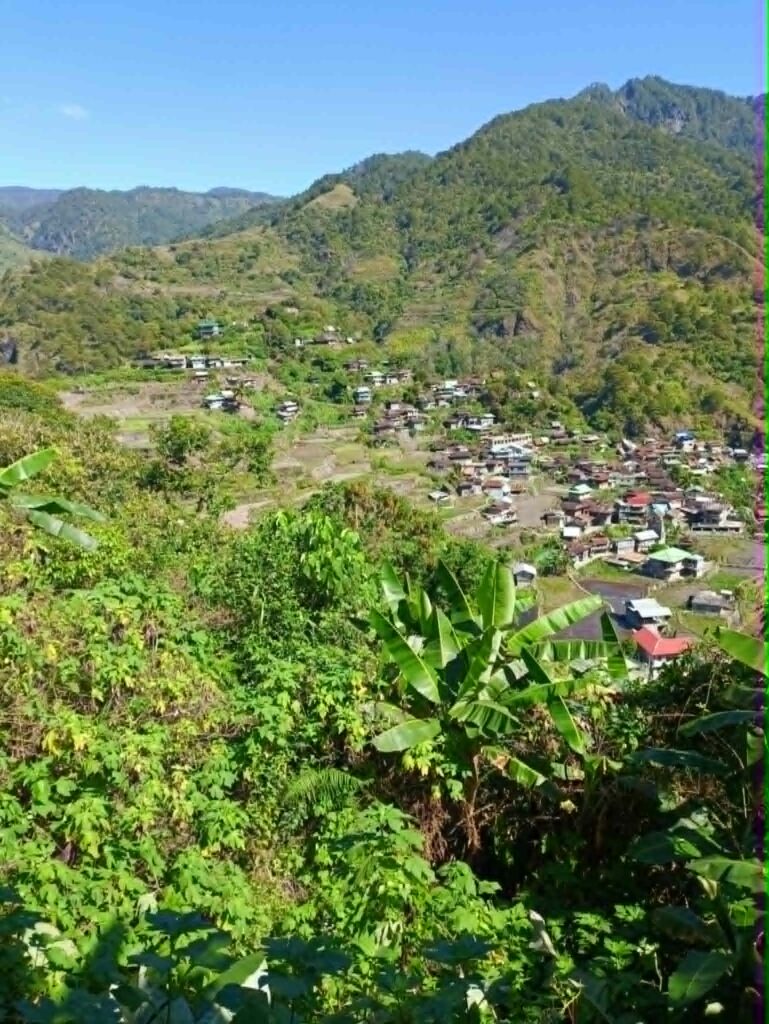
In places where houses are scattered across a wide area, the number of people who can conveniently reach a small store or other business may be limited. A household may have neighbors, but those neighbors might live several minutes away rather than just across the street.
This can make certain businesses harder to sustain.
A sari-sari store in a densely populated barangay may have a steady flow of people passing throughout the day. The same type of store in a community where houses are widely scattered may depend on a much smaller number of customers.
Location matters too. A small business positioned beside a road, school, barangay facility, transport stop, or another place where people regularly pass may have an advantage over one located far from the usual routes of residents.
This does not mean that businesses cannot succeed in remote communities. It simply means that population density and accessibility can affect what kind of business is practical.
Small Communities May Require Different Business Ideas
Because the local market can be small, people sometimes have to think beyond simply opening a store and waiting for customers.
A livelihood may work better if it responds to something the community actually needs, reaches customers outside the immediate area, or complements another source of household income.
This is also where improved internet connectivity can potentially create opportunities that were much harder to access before. Online selling, remote work, digital services, and social media can allow some people to reach customers or employers beyond their own community, although these opportunities still depend on reliable internet access, suitable skills, equipment, and other resources.
For traditional businesses, however, the basic reality remains: a beautiful rural location does not necessarily mean a good business location.
The number of potential customers, their purchasing power, transportation, distance between households, and how frequently people travel through an area can all affect whether a small enterprise is sustainable.
Livelihoods Often Adapt to the Place
This is another reason rural communities should not be viewed as if they all have the same economy.
A farming community may have opportunities connected to agricultural production. A riverside or coastal community may have livelihoods related to fishing. Communities along busy roads may support more stores and transportation-related businesses, while more isolated areas may have fewer opportunities for businesses that depend on regular foot traffic.
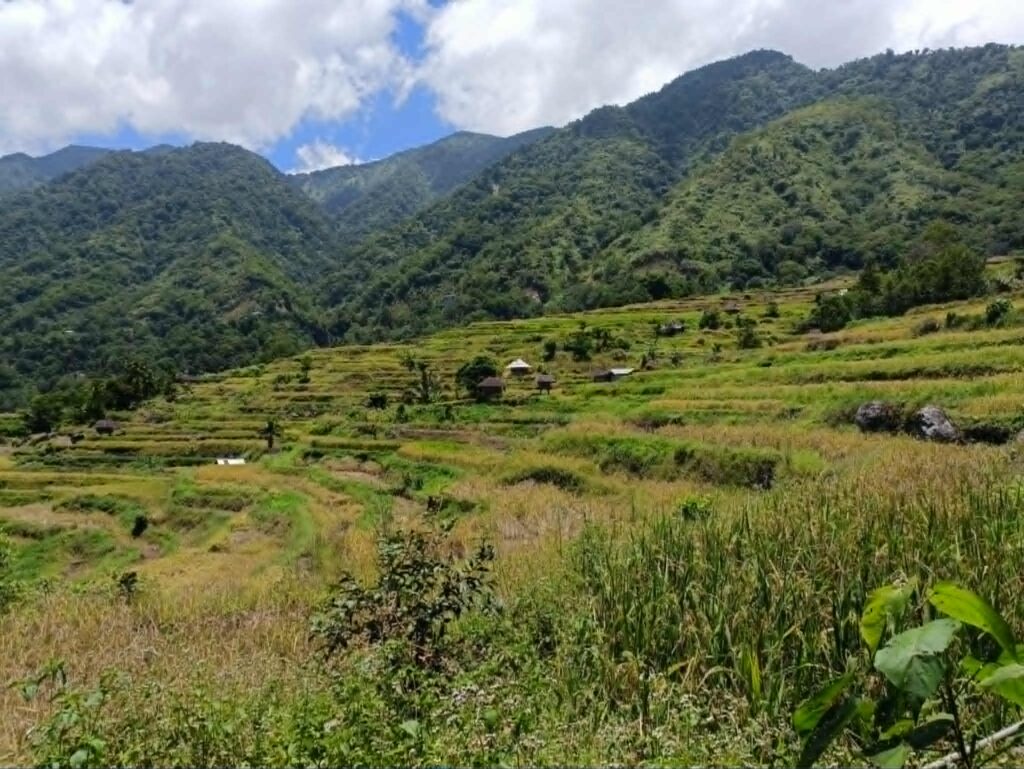
The environment, available resources, skills of the residents, accessibility, and connection to markets all influence how people earn a living.
And sometimes, living in a rural area means combining several small sources of income rather than depending on only one.
Basic Services Can Look Very Different From One Community to Another
Access to basic services is another reason it is difficult to describe rural areas in the Philippines as if they are all the same.
Some rural communities already have electricity, piped water, cellular signals, internet connections, delivery services, and relatively easy access to town centers. In more remote areas, however, households may still have to find practical alternatives for things that people elsewhere rarely have to think about. These differences are also part of the advantages and disadvantages of provincial life, which can vary greatly depending on the community.
Safe and Reliable Water Is Not Available Everywhere
Turning on a faucet and having safe drinking water is something that can easily be taken for granted.
In some communities I have visited, households are not yet fully served by a formal or reliable piped water system. Residents may depend on communal water sources, springs, wells, or other locally available sources for their everyday needs.
This is also why fetching water can remain part of the daily routine in some places. As mentioned earlier, mornings and evenings can become busy around a shared water source as households collect what they need.
However, having access to water does not necessarily mean having access to safe drinking water. National data also shows differences in drinking water services between urban and rural households. According to the Philippine Statistics Authority’s 2022 Annual Poverty Indicators Survey, 94.1 percent of families in rural areas had basic drinking water service, compared with 98.4 percent in urban areas. Limited and unimproved drinking water services were also more common among rural families.
Water available for everyday household use may still require treatment before it is considered safe for drinking. The quality and reliability of the water source can also differ considerably from one community to another.
Some Households Still Live Without Regular Electricity
Electricity access can also vary considerably from one rural community to another.
While electrification has reached most parts of the Philippines, some households in remote communities still live without regular access to electricity. According to a 2025 DevelopmentAid report, electricity access in rural areas of the Philippines had reached 97.6 percent in 2023, showing how widely electricity has expanded while also indicating that universal access had not yet been achieved.
In some communities I have visited, households that are not connected to the electrical grid find other ways to provide basic lighting and power. Small or improvised solar systems that can be purchased in local markets are one option. Others may still use candles or traditional fuel lamps, sometimes called lampara, although the name and type of lamp can vary from one area to another.
Even communities connected to electricity may experience interruptions, and the reliability of the service can differ depending on location and local infrastructure.
For households accustomed to electricity, losing power for several hours can feel like a major inconvenience. In places where electricity has never been consistently available, however, families have developed practical ways of adapting their daily routines around the resources they have.
Rural Homes Do Not All Look the Same
Housing conditions also vary greatly.
Some rural families live in concrete houses with many of the same appliances and conveniences found in urban homes. Others live in houses made partly or primarily from bamboo, wood, galvanized iron, and other light materials.
In some circumstances, tarpaulins or trapal may also be used as temporary walls, roofing, extensions, or protection from the weather.
The type of house someone lives in can reflect many factors, including household income, available local materials, climate, location, accessibility, and whether construction materials can easily be transported to the community.
This is another reason the picture-perfect bahay kubo should not be used to represent every rural Filipino home. Rural housing ranges from traditional and light-material structures to modern concrete houses, sometimes within the same community.
Housing differences are not limited to the materials used to build a home. Access to basic facilities inside or around the household can also vary, including something as essential as a toilet or comfort room.
Toilets and Sanitation in Rural Communities
Access to a toilet is another basic service that can vary from one rural community to another. Most households I have visited have some form of toilet facility, but I have also encountered households and remote communities where proper sanitary toilets are still unavailable.
The type of toilet also differs from one household to another. Some families have flushable toilets, while others use simpler facilities. In some communities, residents may have access to a shared or community toilet. Local governments and health programs have also provided assistance in some areas, including toilet bowls and support for sanitation facilities.
Despite continuing efforts to improve sanitation, there are still households without their own toilets. I have encountered this in some of the more remote communities I have visited.
In parts of the Cordillera, there is even a local expression for open defecation: “hectare CR” or “anywhere toilet.” It refers to using an outdoor area instead of a sanitary toilet, sometimes jokingly described as having a very large comfort room with no walls except the surrounding environment.
This is more than just an expression I have heard during community visits. A 2023 Philippine News Agency report about the Department of Health’s sanitation efforts in the Cordillera also refers to “hectare or anywhere comfort rooms.” The report noted continuing efforts to eliminate open defecation in the region, including support for sanitation facilities in far-flung communities.
The same report also points out an important distinction: having a toilet does not necessarily mean that a household has a safely managed toilet. Water and an appropriate septic system are also important parts of proper sanitation.
Conditions therefore vary considerably. One household may have a complete toilet and septic system, another may rely on a simpler facility, while another household in a more isolated location may still have no adequate toilet at all.
These situations are becoming less common as sanitation programs and local initiatives continue, but they have not completely disappeared. They are part of the everyday realities that can still be found in some rural communities and are another reason why rural life in the Philippines cannot be described through one picture or experience.
Waste Collection Can Also Be Limited
Waste disposal is another everyday challenge that can look very different from one community to another.
In towns and more accessible barangays, garbage trucks may collect household waste regularly. In some remote communities I have visited, however, regular garbage collection is either limited or unavailable. Distance, road conditions, and the scattered location of houses can make collection more difficult.
This does not mean that households simply leave their waste unattended. People find different ways of dealing with it. Some biodegradable waste may be composted or fed to animals, while bottles, plastics, and other recyclable materials may be kept for buyers or brought to collection points.
However, the effort involved can be considerable in far-flung communities. A household may have to carry recyclable materials some distance just to reach a buyer or collection point, while the amount they receive for the materials may be very small. Because of this, storing and transporting recyclables is not always practical for every household.
Other disposal practices also continue to exist. According to the Philippine Statistics Authority’s 2020 Census of Population and Housing, 16.3 percent of households nationwide reported burning kitchen garbage, while 10.3 percent disposed of it in individual pits and 4.3 percent reported burying it.
I have also observed households burning garbage or burying items such as bottles, broken light bulbs, and other waste when regular collection is unavailable. These practices should not be mistaken for recommended methods of waste disposal.
In fact, open burning of solid waste is prohibited under Republic Act No. 9003, or the Ecological Solid Waste Management Act of 2000. The National Solid Waste Management Commission has acknowledged that open burning nevertheless continues in communities and agricultural areas, particularly in rural parts of the country, and has called for stronger enforcement and alternative methods of waste disposal.
This illustrates another difference between policy and everyday reality. Waste-management rules apply throughout the country, but implementing them can be more difficult in communities where garbage trucks, recycling facilities, and collection points are far away or difficult to reach.
Online Shopping Has Reached Rural Life, But Not Every Door
Online shopping has also changed access to goods in rural communities. Products that once required a trip to a larger town or city can now be ordered through online shopping platforms, provided that internet access and delivery services are available.
However, delivery does not always mean that a parcel will arrive directly at the customer’s doorstep.
In some remote communities I have visited, certain areas are outside the regular delivery route. Residents may have to meet the delivery rider at an agreed location, collect their parcels from a designated drop-off or unloading point, or make other arrangements to receive their orders. In some cases, this can involve an additional local delivery or handling fee on top of the original shipping cost.
Addresses can also work differently in rural communities. A house may not have a street name or house number, so landmarks, sitios, puroks, barangays, and phone calls can become important in helping riders locate customers.
Despite these limitations, online shopping has made many products more accessible to people living far from major commercial centers. It does not completely remove the challenges of distance, but it has changed how rural households can obtain goods that may not be available locally.
Rural Life Is Changing, But Not Everywhere at the Same Pace
Rural life in the Philippines is changing.
Smartphones, solar technology, online shopping, improved roads, internet access, digital payments, and other developments have brought conveniences to communities that may have had very limited access to them in the past.
But change does not arrive everywhere at the same time.
One rural community may have fiber internet, regular garbage collection, reliable electricity, running water, and door-to-door parcel delivery. Another may rely on shared WiFi, alternative lighting, a communal water source, its own way of managing household waste, and a designated meeting point for parcel deliveries.
Sometimes these differences can exist even within the same municipality.
This is why I do not think rural life in the Philippines can be described simply as either “traditional” or “modern.” In many communities, the two exist side by side.
A household may cook food grown in its own garden while ordering something online from a seller hundreds of kilometers away. Someone may use a smartphone connected through WiFi while living in a place without a reliable cellular signal. A family may use a small solar system for lighting while receiving updates, messages, and information through the internet.
Rural communities continue to change, but geography, infrastructure, household resources, local government services, and accessibility all influence how quickly those changes become part of everyday life.
Community Life Can Be Closely Connected
One noticeable part of life in many rural communities is how closely connected people can be.
In smaller communities, neighbors may know not only who lives nearby but also their families, relatives, work, and sometimes even their daily routines. News can travel quickly, especially when people regularly meet at sari-sari stores, water sources, community activities, schools, churches, or barangay events.
This closeness can create a strong sense of community.
When someone needs help, neighbors and relatives may contribute their time, labor, food, transportation, or whatever resources they can provide. The Filipino tradition of bayanihan can still be seen in different forms, although how it is practiced varies from one community to another.
Community support can become particularly visible during emergencies, celebrations, deaths, and other important family events.
Wakes Are Often Community Events
In some rural communities, a wake is not attended only by the closest relatives and friends of the person who died.
Neighbors and other members of the community may also visit, contribute food or money, help with preparations, stay during the evening, or assist the grieving family in other ways.
Sometimes participation is connected to a sense of reciprocity. People remember who helped their family during an important event, and when another household experiences the same situation, they may feel a responsibility to return that support.
This can create a strong informal support system, especially in communities where formal resources are limited.
But it also means that community relationships sometimes come with responsibilities.
Privacy Can Feel Different in a Small Community
Living in a place where people know one another can be comforting, but privacy can also feel different.
If you regularly pass the same neighbors, shop at the same small stores, fetch water from the same place, attend the same community activities, or have relatives living nearby, people can naturally become familiar with one another’s lives.
Sometimes that familiarity means someone notices when you need help.
Sometimes it means people notice things you would rather they did not.
And, as mentioned earlier, waiting at a communal water source can also become an opportunity to catch up with neighbors, exchange local news, or sometimes enjoy a little gossip.
That does not necessarily mean rural communities are unusually intrusive. Gossip and curiosity exist everywhere. The difference is that smaller social circles can make information travel quickly.
Social Responsibilities Can Be Part of Rural Life
Depending on local culture, there may also be expectations to participate in community activities.
This might include bayanihan, barangay activities, celebrations, wakes, religious or cultural occasions, community meetings, or helping another household when something important happens.
The exact expectations differ greatly by place and culture.
In some communities, participation is simply encouraged. In others, being present and helping may carry greater social importance because community support is often reciprocal. When one household needs help, others may contribute, with the understanding that support may also be returned when another family needs it.
For someone accustomed to a more private lifestyle, this aspect of rural life can take some adjustment.
At the same time, these relationships can be one of the reasons people feel deeply connected to the place where they live.
Being From the Province Does Not Mean Being Uninformed
People from the province are sometimes stereotyped as less informed simply because they live far from major cities. But where someone lives does not determine their knowledge, ability, or understanding of the world around them. Access to education and information has continued to expand, including in communities far from major urban centers.
Formal schooling is not the only pathway available. The Department of Education’s Alternative Learning System (ALS) provides opportunities for out-of-school youth and adults, as well as other learners who are unable to participate in formal schooling, to continue their basic education.
Television, mobile phones, and the internet have also changed how information reaches rural communities. Access is still uneven, particularly in remote areas, but information can now travel much farther than it once did. Even in communities where some households have limited internet or television access, information is often shared through relatives, neighbors, schools, community gatherings, and people traveling between the community and town centers.
Government programs have also placed greater emphasis on children’s education. Under the Pantawid Pamilyang Pilipino Program (4Ps), eligible households receive conditional cash assistance that includes education-related requirements. Children aged 3 to 18 must be enrolled in school, while children covered by the program’s attendance requirement must maintain at least 85 percent class attendance. Receipt of applicable grants is subject to compliance with the program’s conditions.
For many beneficiary households, this means that keeping children in school is not only encouraged but is also part of maintaining compliance with the program.
Of course, access to education and technology does not mean that every rural community now has the same opportunities. Some people still face barriers related to distance, transportation, income, connectivity, and access to schools. But these realities should not be confused with a lack of knowledge or ability.
From what I have observed, people living in remote communities can be very resourceful and well informed about matters that directly affect their families, livelihoods, and communities. Their knowledge may come from experience, local practices, farming, natural resources, community relationships, and skills passed from one generation to another.
A farmer who has spent most of his or her life working the land may possess knowledge that someone with a university degree does not. The same is true of people who understand local weather patterns, crops, forests, rivers, livestock, traditional practices, or the geography of their community.
Education can come from school, but knowledge also comes from experience.
Today, information that was once easier to access in cities can also reach many rural communities. A person living several hours away from a city can watch the same news, search for information online, communicate through social media, learn through videos, or receive information from family members living elsewhere.
Access is still unequal, but being from the probinsya or living in a remote community does not automatically mean being uninformed.
Rural Communities Are Not All the Same
After spending time in different communities, this is probably the most important thing I have learned about rural areas in the Philippines:
There is no single version of rural Filipino life.
A community close to a town center may have paved roads, reliable electricity, good cellular coverage, regular public transportation, garbage collection, grocery stores, schools, and relatively easy access to healthcare.
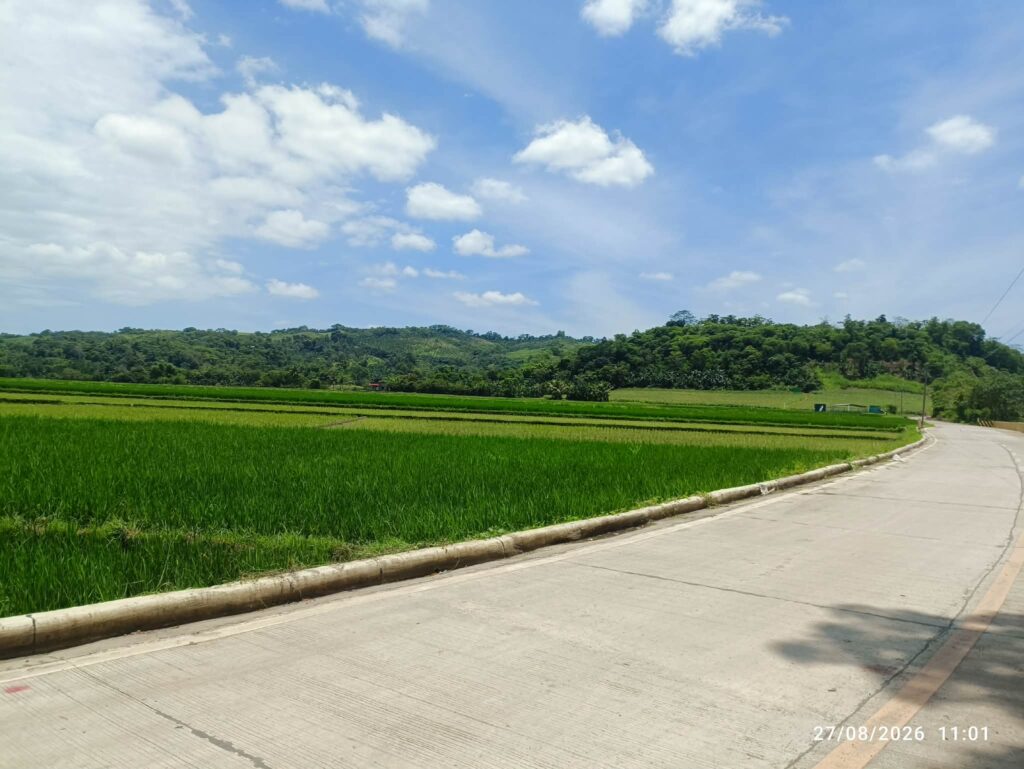
Travel farther into another barangay or sitio, and everyday life can be completely different.
Geography matters. So do culture, livelihoods, infrastructure, local services, household resources, and distance from commercial centers.
A mountain community may face challenges that a coastal community does not. A farming village may organize its day differently from a fishing community. A rural barangay beside a national highway may have more business opportunities than a community where houses are scattered across mountains or valleys.
Even communities located within the same municipality can have very different levels of access to transportation, water, electricity, internet, sanitation, markets, and other services.
This is why I am careful about statements such as “life in the province is cheap,” “rural life is peaceful,” or “people in rural areas live simple lives.”
Sometimes those descriptions fit.
Sometimes they do not.
What rural life looks like depends greatly on where you are and how the people in that community actually live.
Is Rural Life in the Philippines for Everyone?
Rural life in the Philippines can offer experiences that are difficult to understand from photographs alone, especially for someone considering moving to the province. There may be more space, closer access to nature, strong community relationships, opportunities to grow food, and a daily routine that feels very different from life in a busy city.
But rural life is not necessarily easier, cheaper, quieter, or simpler.
Where you live matters.
A person living in a rural barangay close to the poblacion may have convenient transportation, reliable internet, regular garbage collection, running water, electricity, and easy access to schools, markets, and healthcare.
Someone living in a far-flung sitio may experience something completely different.
Even ordinary activities such as buying groceries, receiving a parcel, fetching water, taking a child to school, charging a phone, disposing of household waste, or visiting a government office can require additional planning when services are far away.
For some people, these realities are simply part of everyday life. For someone accustomed to having everything nearby, however, adjusting may take time.
This is why anyone considering moving to a rural area should look beyond beautiful scenery and affordable property. Visit the actual community. Learn about its roads, transportation, water supply, electricity, cellular signal, internet connection, healthcare access, schools, markets, waste collection, and other services.
More importantly, get to know how people actually live there.
Two places that look equally peaceful in photographs can provide completely different everyday experiences.
Final Thoughts
When I think about rural areas in the Philippines, I do not think of one particular image.
I think of communities where people wake early to work in the fields and places where motorcycles are already passing before breakfast. I think of afternoon coffee even on a hot day, children coming home from school, animals waiting to be fed, neighbors talking while fetching water, and families planning a trip to town because several errands need to be accomplished at once.
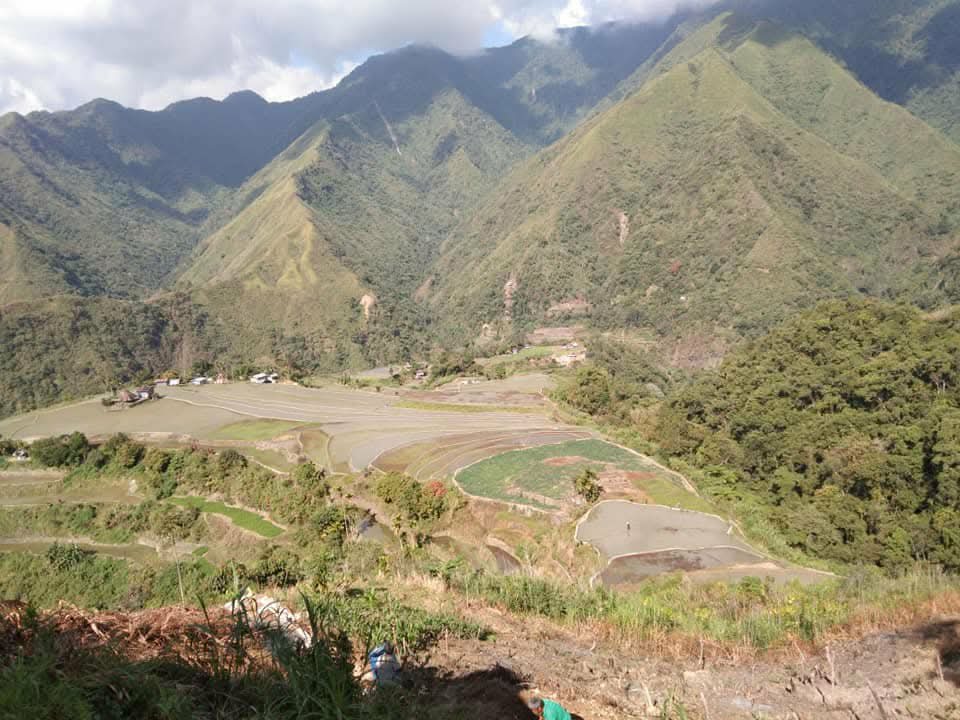
I also think of communities that are changing.
Smartphones and online shopping now exist alongside home gardens and backyard animals. Solar lights may be used in a household that can access the internet through WiFi. A parcel ordered online may travel across the country but still need to be collected at an agreed meeting point because the courier cannot reach the house.
These contrasts are part of rural life today.
There are communities with modern conveniences and communities where basic services remain difficult to access. There are households living in concrete homes and others using bamboo and light materials. There are farmers, employees, small business owners, drivers, students, professionals, and people combining several livelihoods to support their families.
Being taga-probinsya does not tell you how educated, informed, capable, or ambitious a person is.
Perhaps that is the most important thing to understand about rural life in the Philippines: there is no single story that represents everyone.
The mountains, farms, rivers, coastlines, houses, roads, livelihoods, cultures, and daily routines may all be different.
What connects these communities is not a stereotypical idea of a “simple life,” but the way people continually adapt to the opportunities, limitations, and changes in the places they call home.