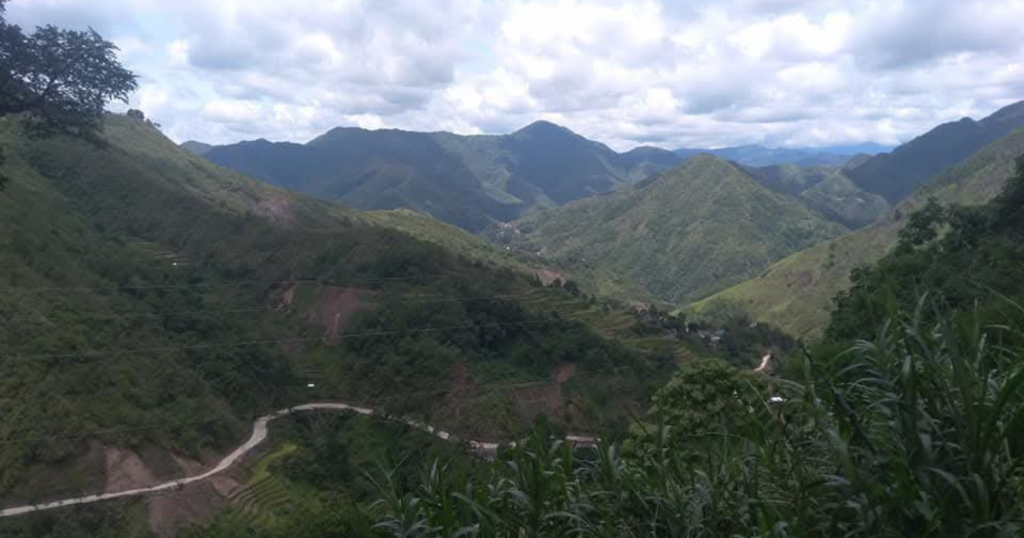
Province life is often associated with quiet mornings, fresh air, green surroundings, and a slower pace. And sometimes, it really is like that. But a morning in the province is not always as quiet as people might imagine.
In some communities, the day begins with roosters crowing, pigs making noise, birds chirping, and people already going about their morning routines. On sunny days, especially during the warmer months, birds and cicadas can become particularly loud, especially in the morning and early evening. At times, the constant sound of cicadas can even become irritating. Sometimes the countryside is peaceful not because there is complete silence, but because the sounds around you are simply different from the traffic, engines, and constant activity of a city.
But living in the province is not a permanent vacation either.
The same surroundings that make provincial life appealing can come with practical challenges. Depending on where you live, there may be fewer job opportunities, limited public transportation, longer trips to hospitals or certain services, and fewer choices when it comes to shopping and entertainment.
Having grown up in the province, many of these things feel ordinary to me. My work has also given me opportunities to spend time in different communities, and one thing I have observed is that provincial life can vary greatly from one place to another. The rhythm of a community, including what mornings look and sound like, can depend on its location, livelihood, environment, and the culture and routines of the people who live there.
So rather than asking whether province life is simply better or worse than city life, it may be more useful to look at the trade-offs. Here are some of the advantages and the disadvantages of living in the province that are worth considering.
What Is It Really Like Living in the Province?
There is no single answer to what living in the province is like. The Philippines has many provinces, and even communities within the same province can have very different lifestyles.
Some provincial areas are already highly developed, with malls, hospitals, universities, restaurants, reliable internet, and convenient transportation. Others may require a long trip just to reach a larger supermarket, hospital, government office, or other essential service.
The character of a community matters too. Some places become active very early in the morning as people prepare for work, tend to animals, open small businesses, or begin household chores. Other communities may have a much slower start to the day. What feels peaceful in one place may feel surprisingly lively in another.
Location makes a difference. So do livelihood, transportation, available services, family needs, and local culture. This is why it can be misleading to describe all provincial living as one particular kind of lifestyle.
For me, provincial life is neither completely peaceful nor particularly difficult all the time. Most days are simply ordinary. There is work to do, errands to finish, bills to pay, chores waiting at home, animals making noise somewhere nearby, and occasionally an inconvenience that requires a little more patience.
That ordinary side of provincial living is something I explored more in Life in Province: What It’s Really Like Living in the Philippines.
Before looking more closely at the challenges, though, it is worth acknowledging why many people enjoy living in the province in the first place.
Advantages of Living in the Province
The Opportunity to Grow and Gather Food
One advantage of provincial life that I particularly appreciate is the opportunity some people have to grow part of their own food.
Of course, growing food is not exclusive to the province. People in cities can create rooftop gardens, container gardens, vertical gardens, and other forms of urban gardening. But having access to a piece of land can make growing vegetables, fruit trees, herbs, and other food much easier.
This does not mean that everyone living in the province owns a large vacant lot. Some families have only a small space around their homes. Others may be able to use land owned by parents or relatives. In many communities, however, having at least some access to land gives people an opportunity to turn unused space into a small garden.
There is also food that does not necessarily have to come from a supermarket. Depending on the community and local environment, people may gather edible plants or vegetables growing nearby, harvest fruit in season, catch fish from rivers or other waters where this is permitted and safe, or exchange produce with relatives and neighbors.
Through my work in different communities, I have seen how valuable this kind of access can be. Even among households facing serious financial difficulties, access to land, local food sources, relatives, and community networks can sometimes provide ways to put food on the table. A hardworking household may grow vegetables, raise a few animals, gather locally available food, or make use of whatever resources are accessible to them.
That does not mean poverty is easy in the province, or that every household has enough food. Land access, climate, location, health, time, skills, and available resources are different for every family. But the opportunity to produce even a small amount of your own food can be a meaningful advantage.
There is something satisfying about preparing a meal and knowing that some of what is on the table came from a garden just outside the house, a relative’s land, or something locally available rather than something you had to buy.
A Slower Pace, But Not Necessarily a Quiet One
One of the things people often associate with provincial life is a slower pace. Compared with highly urbanized areas, there may be less traffic, fewer crowds, and less pressure to constantly rush from one place to another.
But slower does not always mean quiet.
In some communities, mornings begin very early. Roosters crow, pigs make noise, dogs bark, motorcycles pass by, and people start preparing for work or tending to their farms and animals. Birds and crickets can also become surprisingly loud, especially on warm and sunny mornings.
From my experience growing up in the province and spending time in different communities through my work, I have learned that there is no single version of a “peaceful provincial morning.” It depends greatly on the community, the livelihood of the people, the environment, and local routines.
The difference is often the kind of noise you hear.
Instead of constant traffic, horns, construction, and dense crowds, you might hear animals, insects, people talking outside, farm activities, or the occasional vehicle passing by.
For someone accustomed to city life, it may still take some adjustment. But for many people, having fewer crowds and a less hurried environment is one of the advantages of living in the province.
More Access to Nature and Open Spaces
Living in the province can also make nature feel like part of everyday life rather than somewhere you have to deliberately visit.
Depending on where you live, mountains, rivers, farms, forests, beaches, rice fields, or open land may be relatively close. Even in more developed provincial communities, there are often places where buildings give way to greener surroundings.
Of course, not every province looks like a postcard. Provincial towns are developing, roads are becoming busier, and commercial areas continue to expand. Some communities can feel almost as busy as smaller cities.
Still, access to open spaces and natural surroundings remains one of the things I appreciate about provincial life. Sometimes enjoying nature does not require planning a vacation. It can simply be part of what you see on your way to work, while walking around the community, or when looking outside your home.
Disadvantages of Living in the Province
Provincial life has many advantages, but there are also disadvantages of living in the province that are easy to overlook when we romanticize life away from the city. And just like the advantages, these disadvantages are not the same in every province or community.
Some problems are minor inconveniences, while others can seriously affect a person’s work, education, health, transportation, or everyday routine. Based on my own experience and observations in different communities, these are some of the disadvantages of living in the province worth considering.
Fewer Job and Career Opportunities
One of the more practical disadvantages of living in the province is that job opportunities can be more limited, especially for people looking for work in a specific profession or industry.
This does not mean that there are no jobs in the provinces. Provincial communities have government offices, schools, hospitals, businesses, farms, tourism enterprises, construction, retail stores, and many other sources of employment. However, the number and variety of available positions can be smaller compared with major cities.
For some people, this means traveling farther for work, moving to a nearby city, or eventually leaving their home province in search of better opportunities. Salaries may also differ depending on the industry, employer, and location.
At the same time, this situation is gradually changing. Remote work, freelancing, online businesses, and improved internet access have made it possible for some people to earn without permanently moving to a large city. Small businesses and local enterprises can also create livelihood opportunities within communities.
Still, these options are not available to everyone. Reliable internet, equipment, skills, capital, and suitable jobs are not equally accessible in every area. For someone deciding whether to move to the province, employment should therefore be one of the first practical considerations.
Limited Access to Healthcare and Specialized Services
Access to healthcare can be another challenge depending on where in the province you live. Many communities have health centers, clinics, pharmacies, and hospitals, but the level of services available can vary considerably from one area to another.
Basic medical care may be available nearby, while specialized treatment can require traveling to a larger town, provincial center, or city. Certain specialists, diagnostic procedures, medical equipment, or treatment facilities may simply not be available in smaller communities.
Distance can make this more difficult. A hospital that looks relatively close on a map may still take considerable time to reach because of road conditions, transportation schedules, traffic in town centers, or the location of more remote communities.
This does not mean that healthcare in the province is necessarily poor. Some provincial cities and municipalities have well-equipped hospitals and medical facilities. The challenge is that access is not equally distributed, particularly for people living farther from major population centers.
For everyday medical needs, this may only mean additional travel and planning. During an emergency or when someone requires regular specialized treatment, however, distance from the appropriate healthcare facility can become a much more serious consideration.
Public Transportation Can Be Limited
Transportation is another challenge that varies greatly depending on the municipality or barangay. In more developed provincial areas, jeepneys, buses, tricycles, taxis, and other forms of public transportation may be readily available. In more remote communities, however, getting from one place to another can be much more complicated.
Some municipalities or barangays do not have organized tricycle or jeepney transport services such as TODA or JODA. For families living in these areas, having at least a motorcycle can become almost a necessity. Those without their own vehicle may need to hire someone whenever they need to travel outside their barangay or reach the nearest town.
Road conditions can make transportation even more challenging. I have encountered communities where certain barangays can only be reached by motorcycles or tricycles powerful enough to handle steep or difficult roads. During certain conditions, tire chains may even be used to help vehicles travel through challenging terrain.
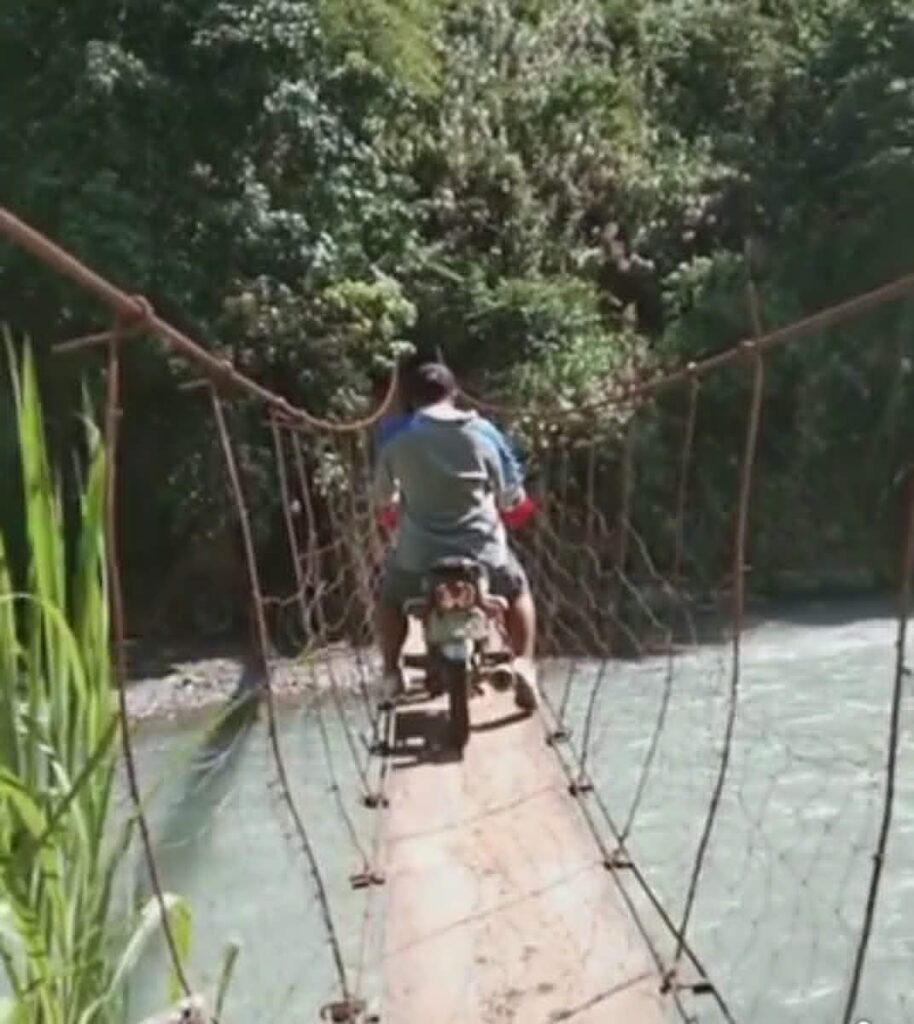
And motorized vehicles are not the only forms of transportation you may encounter in provincial communities.
Depending on the location and local way of life, some people still use traditional forms of transportation. A cart pulled by a carabao may be used to transport people, agricultural products, or other goods. In some areas, horseback riding can also serve as a practical way of getting around.
Then there are communities where none of these options are immediately available.
Some residents have to walk for many minutes, and in more isolated areas even hours, before reaching a road or location where public transportation is available. A trip that sounds simple, such as going to the market, visiting a government office, attending school, or getting medical care, can therefore require much more time and planning.
This is another reason why it is difficult to make one general statement about transportation in the province. Someone living near the center of a developed municipality may have little difficulty commuting, while someone living in a geographically isolated community can have a completely different experience.
For anyone considering provincial life, it is worth looking beyond the distance between a house and the nearest town on a map. Road conditions, available transportation, travel schedules, weather, and the distance from the home to the nearest accessible road can matter just as much.
Some Services and Establishments Are Far Away
Living in the province can sometimes mean traveling farther for services that people in larger cities may have only a few minutes away. This depends greatly on the community. Provincial cities and town centers may have supermarkets, banks, pharmacies, government offices, restaurants, schools, and other establishments, while residents of more distant barangays may need to travel to the municipal center or even another town.
Even simple errands can require planning. Going to the bank, withdrawing money from an ATM, buying a particular medicine, purchasing supplies, processing documents, or finding a repair service may involve a longer trip when the service is not available nearby.
Smaller communities usually have sari-sari stores and local businesses that provide many everyday necessities. Public markets and small community stores can also make basic goods accessible. The challenge usually comes when someone needs something more specific that is not commonly available in the area.
Government and other essential services can present a similar situation. Some transactions may require residents to visit the municipal or provincial center. For people coming from remote barangays, the actual transaction may be quick, but getting there and returning home can take a significant part of the day.
This can also affect how people shop. Instead of making frequent trips, some families plan ahead and purchase several necessities whenever they have an opportunity to go to town. What seems like a simple grocery or supply run can become part of a larger schedule of errands.
Online shopping and delivery services have made certain products easier to access, but even these conveniences do not reach every community in the same way. In some areas, parcels may only be delivered to an accessible location, town center, or agreed meeting point rather than directly to the household.
Again, this is not the experience of everyone living in the province. Someone living near a poblacion or in a highly developed municipality may have almost everything they need nearby. The difference becomes much more noticeable in communities located farther from commercial and administrative centers.
For someone considering provincial life, the important question is not simply whether a municipality has the services you need, but how easily you can access those services from the particular community where you will live.
Some Goods Can Cost More in Remote Communities
One assumption about provincial life is that everything is cheaper. While certain expenses can be lower in the province, this is not always true, especially in communities that are difficult or expensive to reach.
In some remote barangays and sitios, the price of certain products can increase significantly because transportation and hauling costs are added before the goods reach the community. The farther and more difficult the journey, the more expensive it may be to transport heavy or bulky items.
Construction materials are a good example. Based on what I have observed in some communities, the cost of bringing materials such as cement to a remote area can sometimes be almost as much as the original price of the product itself. By the time the cement reaches the sitio or barangay, the total amount paid by the buyer can be close to double the price at the original point of purchase.
This does not necessarily mean that the store or seller is simply charging an excessive price. Goods may need to be transported in several stages. A truck might only reach a certain point, after which the materials have to be transferred to a smaller vehicle, motorcycle, animal-drawn transport, or carried manually, depending on the accessibility of the community.
The same problem can affect other products. Food, household supplies, fuel, construction materials, agricultural inputs, and other goods may become more expensive when additional transportation or hauling is required.
This creates an interesting contrast in provincial living. Some locally available food and resources can be inexpensive or even gathered or grown at home, while products that must be brought in from outside the community can cost considerably more.
So while the cost of living in the province is often described as cheaper, location matters. Living expenses in an accessible provincial town can be very different from those in a geographically isolated barangay where almost everything must travel a long or difficult route before reaching residents.
Internet and Cellular Signal Can Be Limited in Some Areas
Internet and mobile connectivity have improved significantly in many provincial communities, but access still depends greatly on location. Some areas now have reliable home internet and strong mobile data, while others have weak cellular signals or, in some remote communities, no cellular signal at all.
This can make communication difficult. Calling or sending a text message may require residents to go to a particular spot where a signal is available. In places without cellular coverage, ordinary mobile communication may not be possible at all.
Fortunately, internet access in some remote communities has improved. Piso WiFi services have appeared in many areas, while government initiatives have also helped expand connectivity. The Department of Information and Communications Technology (DICT) is mandated to promote improved public access to ICT services, including free internet access in government offices and public areas. Through my work in different communities, I have seen how access to WiFi at or near some barangay halls and other public facilities has made communication easier in places where cellular signals are weak or unavailable.
For residents living near these access points, messaging apps and other internet-based services can make communication much easier. A community that was once difficult to contact can become reachable online even when regular cellular service remains unreliable.
However, having Wi-Fi somewhere in the barangay does not necessarily mean that every household has internet access. People who live far from the barangay hall or another Wi-Fi access point may still need to travel to connect, pay for a nearby Piso WiFi service, or arrange their own internet connection when one is available.
This matters even more today because internet access is no longer just about entertainment. Students may need it for school, workers may depend on it for employment, families use it to communicate, and many government services, applications, payments, and business activities are increasingly done online.
For anyone planning to live or work remotely in the province, checking internet availability should therefore go beyond asking whether a provider serves the municipality. It is better to check the actual cellular signal and internet options at the specific barangay or sitio where you plan to live.
Fewer Entertainment and Shopping Options
Another possible disadvantage of living in the province is having fewer choices when it comes to shopping, dining, and entertainment. However, this depends greatly on the municipality or community. Many provincial towns today already have malls, supermarkets, restaurants, cafés, gyms, and other establishments, while more remote areas may have only small local stores and businesses.
For people living farther from commercial centers, going to a mall, cinema, large supermarket, or even a particular restaurant may require traveling to another municipality or to the nearest city. Because of this, these activities may become something people plan for rather than something they can do anytime.
Online shopping has made this easier, but delivery is also not equally accessible everywhere. Some couriers may deliver directly to a house, while in more distant barangays, residents may need to meet the rider along the main road, collect their packages from a designated location, or travel to the town center.
Still, having fewer commercial establishments does not necessarily mean there is nothing to do. Entertainment in provincial communities can simply look different. People may spend more time visiting relatives and neighbors, attending community activities, going to rivers or other natural areas, gardening, caring for animals, or simply spending time outdoors.
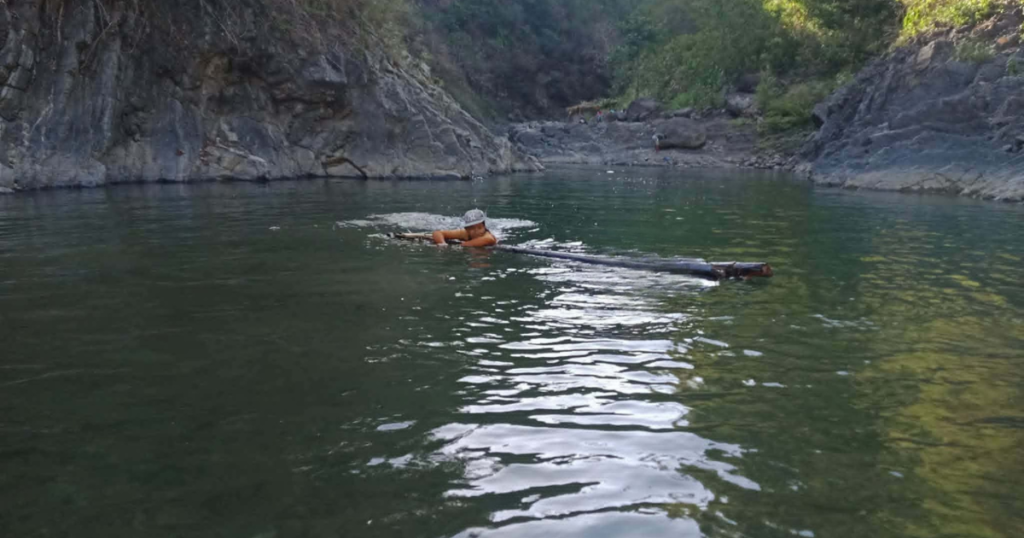
For someone accustomed to having many restaurants, stores, cinemas, and other establishments nearby, the limited choices can take some adjustment. For others, having fewer places to spend money may actually be part of the appeal of provincial life.
Community Expectations and Social Responsibilities
In some provincial communities, living close to other people also comes with certain social expectations. This varies greatly depending on the culture and traditions of the community, but there are places where being part of the community means showing up when help is needed.
One example is bayanihan. Neighbors may help one another during community activities, emergencies, celebrations, agricultural work, or other situations that require extra hands. This strong sense of cooperation is one of the beautiful things about provincial life, but it can also come with an expectation that you will participate when it is your turn to help.
Wakes are another example I have observed in some communities. When someone dies, people may visit the wake, offer assistance, contribute what they can, or simply spend time with the grieving family. You do not necessarily have to be a close relative or friend. In some places, being a member of the community itself creates a sense of responsibility to be present.
There is a practical reason behind this culture of helping one another. You participate when someone else needs help because there may come a time when you or your family will need the community too. If people consistently choose not to participate, they cannot always expect the same level of support when it is their turn to need assistance.
For someone who values privacy or prefers keeping to themselves, this aspect of provincial life can sometimes feel demanding. You may have personal plans, work, or simply want to stay home, yet there can be occasions when your presence is expected.
At the same time, I would not consider this entirely a disadvantage. The same social expectations that can feel like an obligation are also part of what creates strong community support. When a family experiences hardship, an emergency, a death, or another difficult situation, neighbors often do not wait to be formally invited before offering help.
So this is more of a trade-off than a simple disadvantage. Provincial life can offer a strong sense of community, but being part of that community sometimes means accepting responsibilities toward the people around you.
Is Living in the Province Worth It?
Despite the advantages and disadvantages of living in the province, provincial life can absolutely be worth it. It depends on what kind of life you want and, more importantly, where you plan to live.
There is no single version of provincial life in the Philippines. Living near the center of a developed municipality can be completely different from living in a remote barangay or sitio several hours away from essential services. Even communities within the same municipality can offer very different experiences. Understanding the advantages and disadvantages of living in the province can help you decide whether this lifestyle matches your priorities, work, family needs, and preferred pace of life.
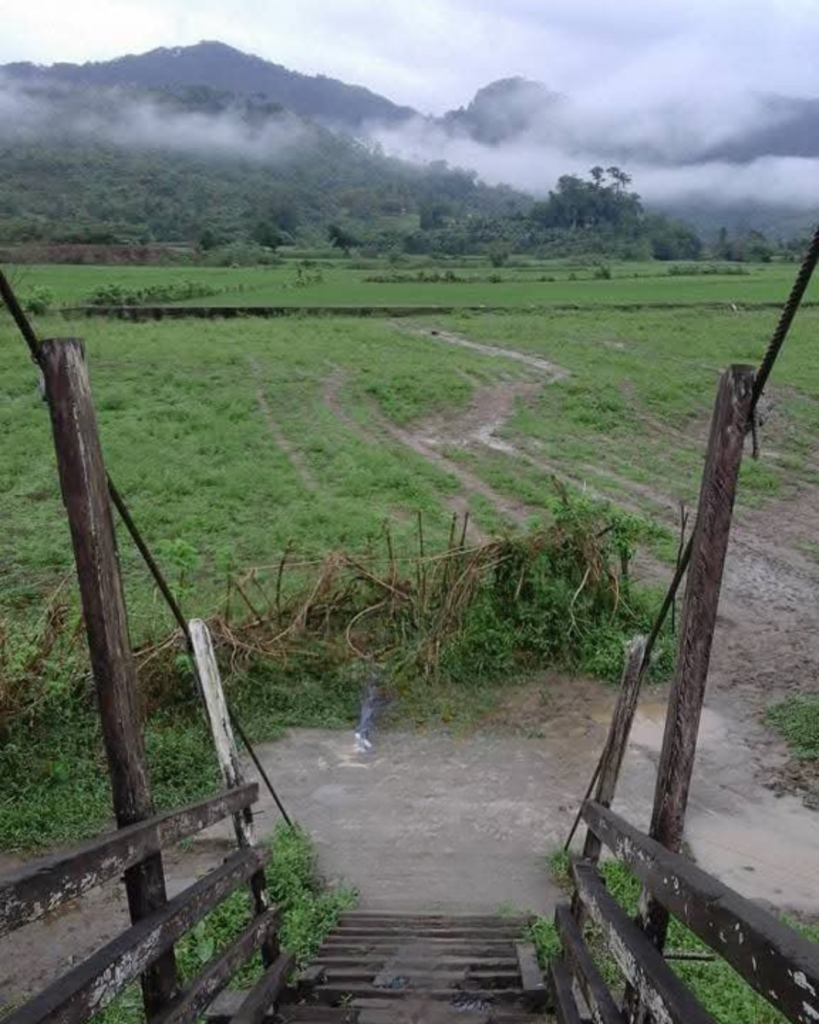
For me, the advantages of provincial life are not simply about having fresh air or beautiful scenery. There are practical benefits too. Some families have access to land where they can grow food, local resources may be available nearby, nature can be part of everyday life, and communities can provide a strong support system.
But these advantages come with trade-offs. Depending on the location, you may have fewer employment opportunities, limited transportation, weaker cellular or internet connectivity, longer travel times to healthcare and other services, higher prices for goods that need to be transported or hauled into remote areas, and certain social responsibilities within the community.
Provincial life may suit you if you:
- enjoy being closer to nature and open spaces
- are comfortable with a slower or different daily routine
- appreciate close community relationships
- like the possibility of gardening or producing some of your own food
- can adapt to having fewer commercial and entertainment options nearby
- do not mind traveling farther for certain goods and services
Think carefully before moving to the province if you depend on:
- specialized healthcare that you need to access regularly
- a particular career or industry with limited opportunities outside cities
- reliable high-speed internet or cellular service
- convenient public transportation
- frequent access to malls, restaurants, entertainment, or specialized products and services
- having a high level of privacy and little involvement in community activities
Most importantly, research the specific community rather than simply researching the province. Check the actual barangay or sitio, the condition of the roads, transportation options, internet and cellular signal, distance to hospitals and markets, local prices, and the general way of life.
A place can look peaceful and beautiful during a weekend visit but feel very different when you have to live there every day.
For me, provincial life is not perfect, and I do not think it needs to be romanticized. It has inconveniences, responsibilities, and challenges just like life anywhere else. But it also offers things that can be difficult to measure in money or convenience.
In the end, living in the province is worth it when the lifestyle, opportunities, limitations, and community fit the kind of life you actually want to live.